Ring a doorbell in Yerevan around dinner time and you will not leave hungry. Before your coat is off, someone is laying another plate. A stack of lavash appears, then white cheese, a bunch of herbs and a bottle. Armenians call a feast խնջույք (khnjuyk), and the table that carries one is meant to look slightly too full.
Do Armenians drink alcohol?
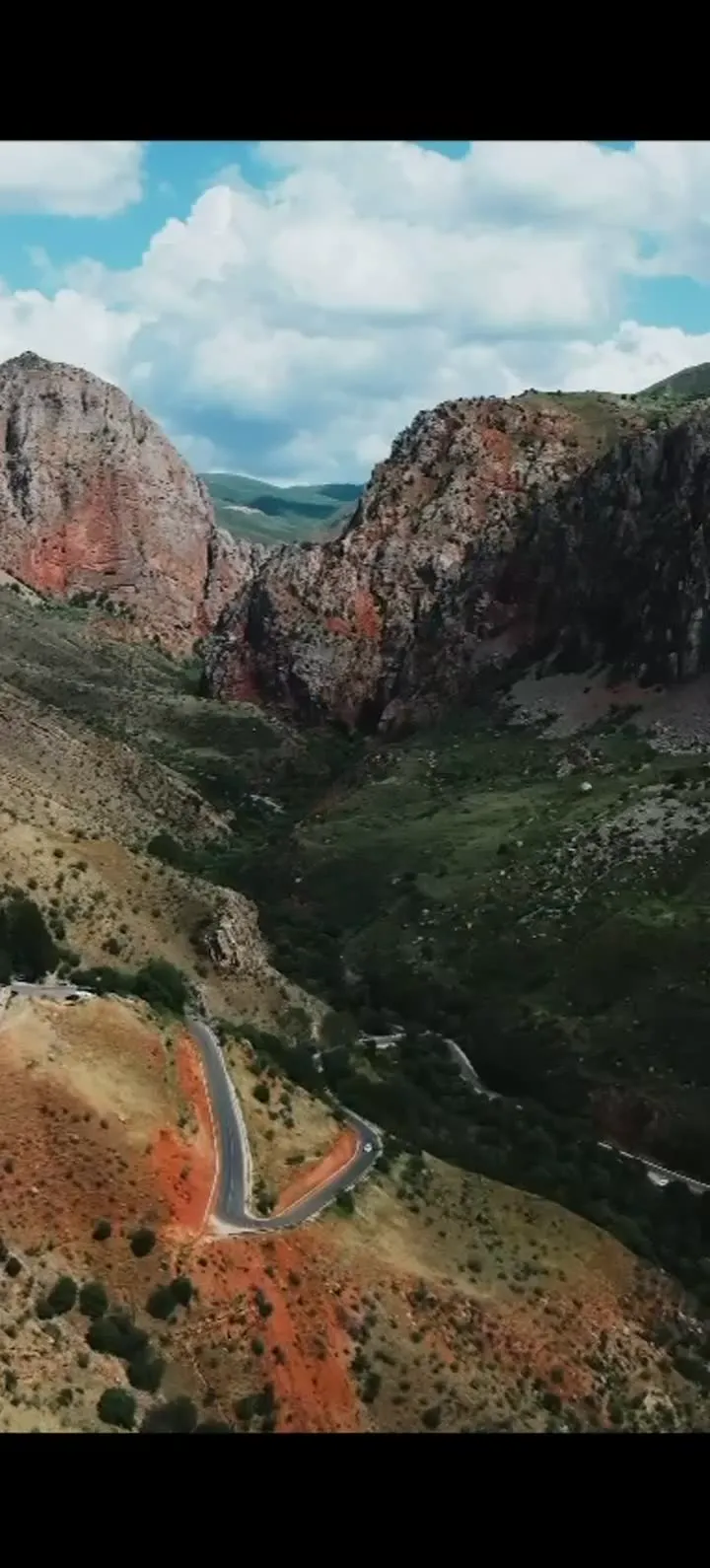
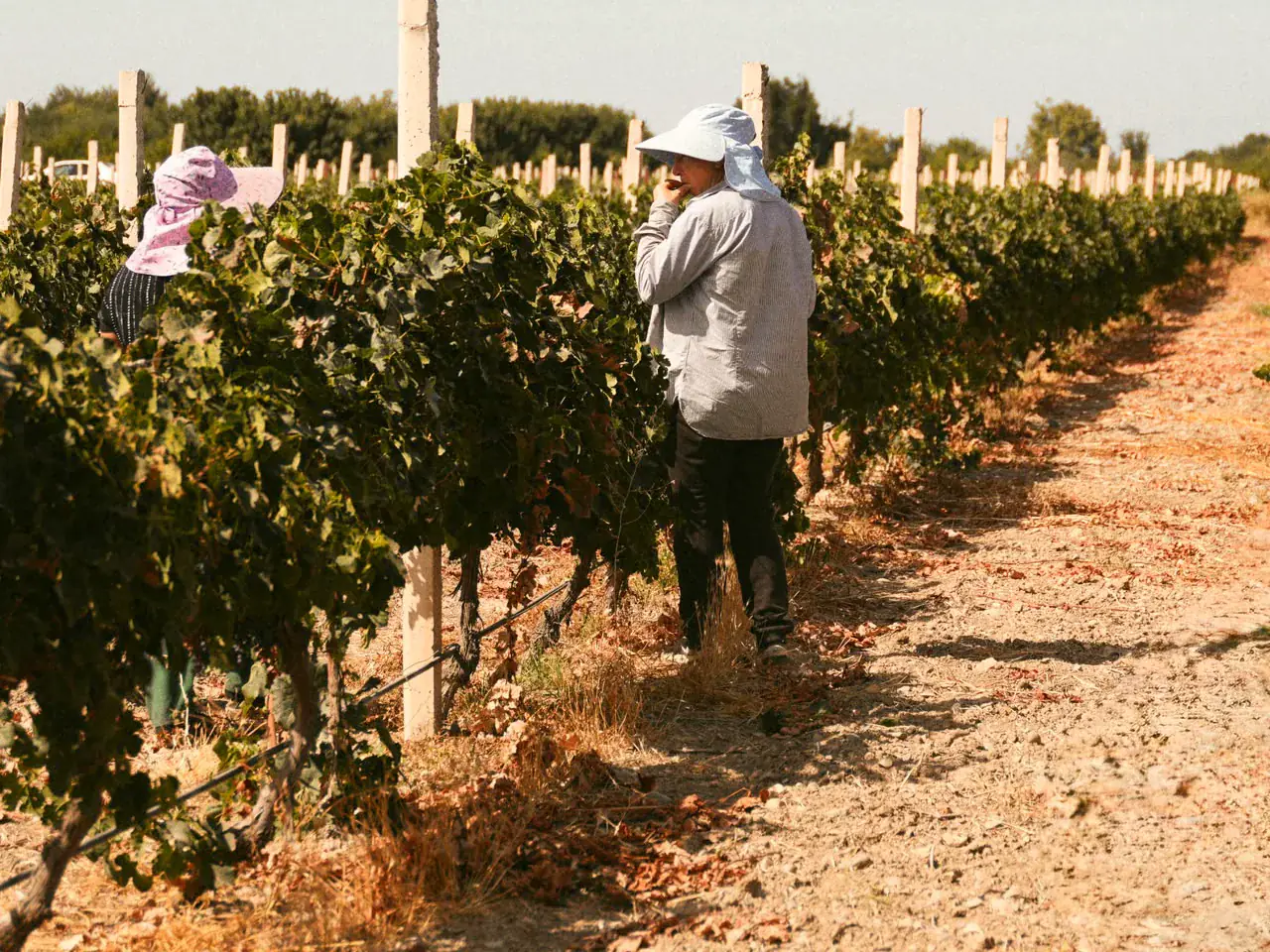
Yes, and for a very long time. Armenia is a Christian country with no religious rule against alcohol. In the Areni-1 cave in Vayots Dzor, archaeologists found a clay wine press, a fermentation vat and storage jars dated to about 4100–4000 BC, roughly 6,100 years ago. A chemical study published in the Journal of Archaeological Science in 2011 found wine residues in the vessels.
In Armenia most drinking happens at the table, over food and toasts, with family and guests. Alcohol is sold only to people aged 18 and over. Plenty of Armenians drink little or nothing, and Repat Armenia's guide for newcomers says plainly that locals will respect your choice if you refrain.
The numbers fit that picture. The World Health Organization estimates that people aged 15 and over in Armenia drink about 4.3 litres of pure alcohol a year (2020). That is less than half the European Union average of about 10.2 litres, and below France (10.3) and Germany (11.8). Source: WHO data on Our World in Data.
The guest comes first
Hospitality is a point of pride here. Writing about New Year visits in EVN Report in December 2025, Tamara Khachatryan described guests as treated as sacred, with everyone at the table making sure they are well fed. During the New Year week people call on relatives and friends without invitation, starting at the home of the eldest man in the family, and the visits go on until January 6.
For a guest this means you will be offered more than you can eat. A small gift is welcome when you visit: chocolates, a dessert, a bottle of wine. Offering to pay for a meal you were invited to can cause offence. BBC Travel's Ben Lerwill tried once and met "such stern refusal" that he gave up.
What is on the table
Lavash comes first. The thin wheat flatbread is slapped onto the wall of a clay tonir oven and baked in under a minute. In 2014 UNESCO added its making and meaning to the list of intangible cultural heritage, noting that at weddings lavash is laid on the shoulders of the newlyweds for fertility and prosperity.
Around it go fresh herbs, eaten as a side and rolled into lavash with cheese, and cheese itself, which Armenians traditionally ate every day. Tolma (տոլմա) is vine leaves, cabbage or summer vegetables stuffed and slowly cooked. Khorovats (խորոված) is the Armenian barbecue, usually pork, sometimes lamb, and often the centre of a summer table. Other dishes follow the calendar: fish, rice pilaf with raisins and nevik at Khetum on Christmas Eve, and harissa, a long-cooked porridge of wheat and meat that was traditionally made in communal pots on feast days.
What Armenians drink, and when
| Drink | What it is | When it appears |
|---|---|---|
| Wine (գինի, gini) | The oldest drink in the country; reds from Areni grapes in Vayots Dzor | With the meal; red wine at Khetum |
| Oghi (օղի) | Fruit spirit, often made at home: mulberry (tuti oghi), apricot (tsirani oghi), cornelian cherry (honi oghi); also called aragh | Offered to guests on arrival and drunk in small glasses with food |
| Brandy (կոնյակ, konyak) | Grape brandy aged in oak, called cognac at home | With the toasts during the meal |
| Tan (թան) | Yoghurt mixed with water and salt | A summer drink, alongside the food |
| Jermuk | Naturally sparkling mineral water from the spa town of Jermuk, bottled since 1951 | On the table all evening |
| Coffee (սուրճ, surch) | Strong, boiled in a small pot, served without milk | Often at the end of a meal, sometimes with gata or baklava |
The mix has changed over the last century. Benjamin Kemper, writing in Smithsonian Magazine in 2018, notes that under Russian and Soviet rule vodka and brandy took wine's place at many feasts. Local wine is now coming back to the table.
Brandy at an Armenian table
At a feast, brandy usually goes with the toasts: a small pour, sipped rather than downed. An aged brandy also suits the end of the evening, when the plates are cleared and coffee comes out, with dried fruit, nuts or something sweet. For food that goes with it, see what to eat with Armenian brandy.
Aged brandy shows best at room temperature, without ice, in a tulip glass rather than a shot glass; the details are in how to drink Armenian brandy. TUFF XO is aged 20 years in Caucasian oak, and its cap, cut by hand from Armenian volcanic tuff, often stays on the shelf after the evening is over.
Toasts, briefly
A long table usually has a tamada, a toastmaster who decides who speaks and when. Toasts go to the hosts and guests, to the elders, to the children and to those who have died, and according to Smithsonian Magazine the toast to the ochakh, the hearth that stands for the family, usually comes last. A guest can keep to a sip for each one. We cover the order, the phrases and a few toasts you can use yourself in a separate article on Armenian toasts and the tamada.
Etiquette for a guest
- Take at least a taste of what you are offered. Repat Armenia notes that refusing outright can feel awkward, and even a small portion is appreciated.
- Pace yourself. Hosts keep glasses topped up (BBC Travel's Ben Lerwill found his was never empty for long), so sip rather than drain the glass.
- Not drinking is fine. Say so early and ask for juice, tan or Jermuk; the toasts will still include you.
- Age matters at the table: elders are toasted before the children, and a guest is often given one of the places of honour.
- Customs differ between Yerevan and the villages. Kemper writes that in traditional communities women once ate separately at ritual feasts; today they are increasingly encouraged to act as toastmasters themselves.
- If you are driving, do not drink at all.
Occasions
Weddings are big feasts, with lavash on the couple's shoulders and a tamada running the evening. New Year is a week of visits that runs into Christmas on January 6, after the light Khetum dinner on January 5 (see Armenian Christmas). Vardavar, held 98 days after Easter and tied to the feast of the Transfiguration, is a summer day of buckets of water thrown in the streets.
Mourning has its own table. After a funeral the family hosts a memorial meal, հոգեճաշ (hogechash; Armenian churches abroad often spell it hokejash), and gathers for another on the fortieth day. It is a quiet meal, and Eurasia Travel notes that an empty place and plate may be set for the person who has died.
Questions and answers
Do Armenians drink alcohol?
Yes. Armenia is a Christian country and wine has been made here for about 6,100 years. Most drinking happens at the table, with food and toasts, and many people drink little or not at all.
What is the national drink of Armenia?
There is no single one. Wine is the oldest, brandy is widely known abroad, and oghi, a fruit spirit often made at home from mulberry or apricot, is what many hosts pour for a guest who has just arrived.
Is it rude to refuse a drink in Armenia?
Refusing everything at once can feel awkward, so take a sip or simply say early that you do not drink. Hosts respect that, and you can raise a glass of juice or water with everyone else.
What is oghi?
A clear spirit distilled from fruit or berries, often at home: tuti oghi from mulberry, tsirani oghi from apricot, honi oghi from cornelian cherry. It is strong, so it is served in small glasses with food.
What to eat with Armenian brandy · How to drink Armenian brandy · The TUFF collection
Read next: What to bring back from Armenia: 9 gifts from Yerevan · Armenian brandy prices: what a bottle costs and why