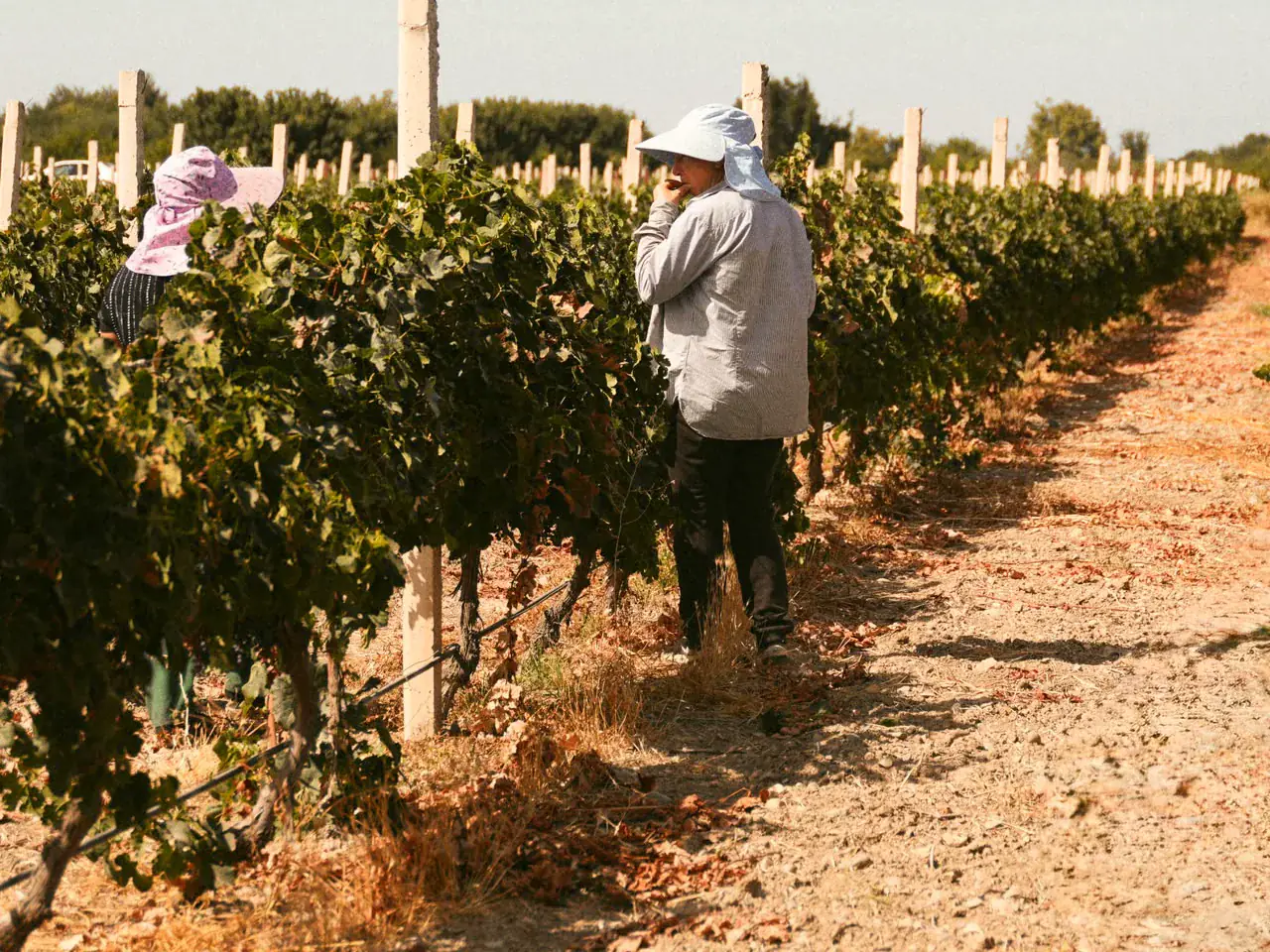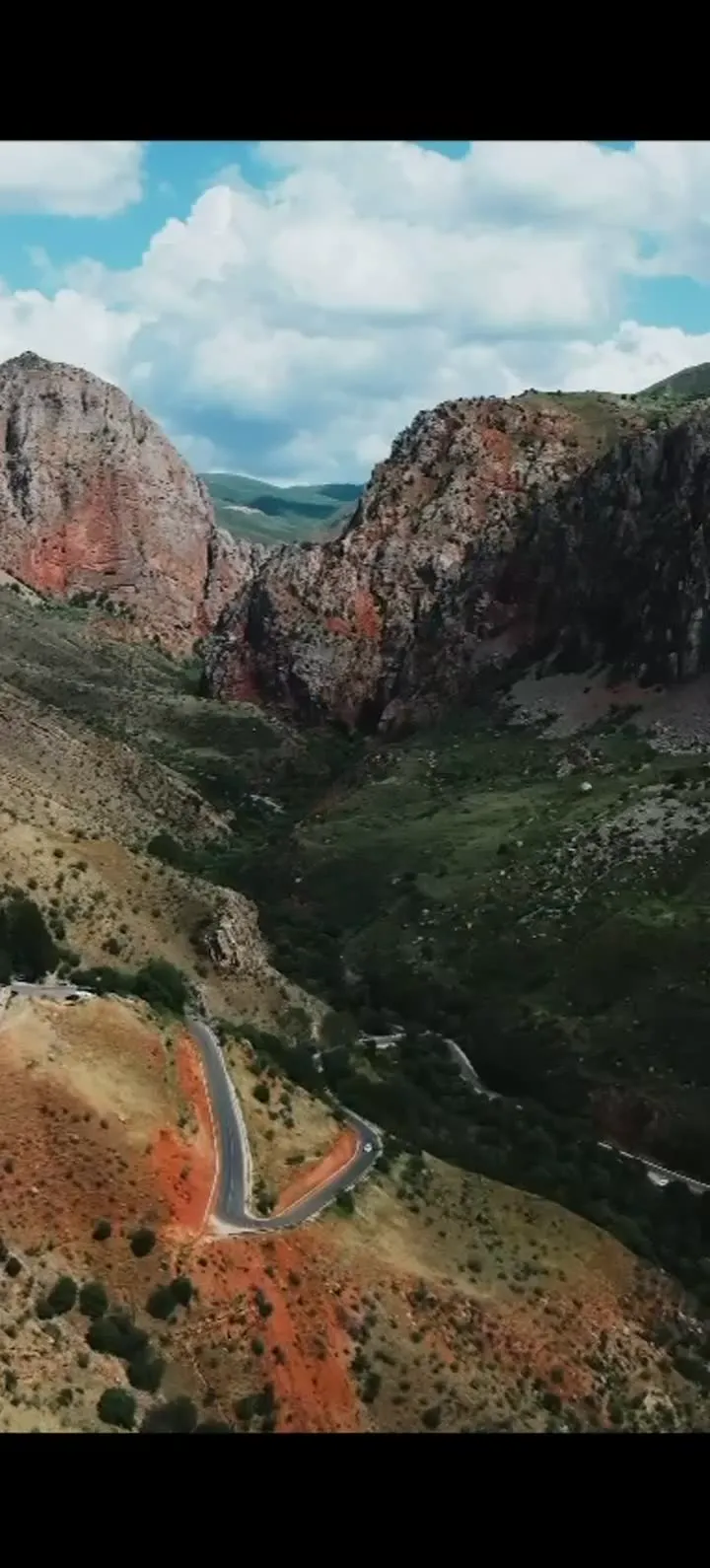
In 1887 a Yerevan merchant, Nerses Tairyan (Tairov in Russian sources), set up Charente-type stills in a small stone building and began making brandy. Industrial brandy production in Armenia is usually dated from that year. What follows is the timeline since then, with a clear line between what is documented and what is only told.
1887: the Tairyan distillery
Tairyan had been making wine in Yerevan since 1877 and turned to brandy in 1887. According to the official ARARAT history, the push came from his brother Vasily Tairov, editor of a winemaking journal. The method followed the Charente: double distillation, then ageing in oak.
1899–1900: Shustov
In 1899 the Moscow merchant Nikolay Shustov leased the distillery, and in 1900 he bought it for 50,000 roubles, folding it into Shustov & Sons. Shustov's trade network across the Russian Empire took Yerevan brandy to a much larger market. Around 1900 the blender Mkrtich Musinyants and the distiller Kirill Silchenko joined the works.
Paris, 1900: record and legend
Sources such as Wikipedia record that the distillery's brandy was shown at the 1900 Exposition Universelle in Paris. The better-known story says a jury placed it first in a blind tasting and granted it the right to be called cognac. The versions disagree on the year and the event, and we found no document granting any such right, so we treat it as a legend. What is certain is that "Armenian cognac" has been the colloquial name for more than a century.
The Soviet years: the trust and ARARAT
During the revolutionary years the first Republic of Armenia nationalised the brandy factories; Soviet Armenia then created a wine and brandy trust that ran production across the country. In 1937 the blender Markar Sedrakyan started work, later creating aged blends such as Jubilee and Dvin. In 1953 a new building overlooking the Hrazdan river was completed. According to the ARARAT company history, Akhtamar and Nairi followed in 1967 and Ani in 1977.
The Churchill story
A story often told is that Churchill tasted Armenian brandy at Yalta and that Stalin then sent him hundreds of bottles a year. The Churchill historian Richard Langworth searched the records and found no trace of such shipments; the house brandy at Chartwell was the French Hine. Churchill did praise Armenian brandy at Yalta, but the yearly shipments are not documented.
After 1991: privatisation
After independence the industry was restructured. In 1998 the Yerevan Brandy Company became part of Pernod Ricard, and the ARARAT brand with it. Another company, on the site of the old Tairyan works, is known today for its Noy brand. So two Yerevan companies have historical links to the 1887 distillery. A national standard in force from 1999 requires Armenian brandy to be made in Armenia from local grapes.
The name: from cognac to brandy
Cognac is a protected French geographical indication. Armenia and the EU signed the Comprehensive and Enhanced Partnership Agreement (CEPA) on 24 November 2017; it fully entered into force on 1 March 2021. Armenia committed to phase out the name: published reports give 2032 for the domestic market and 2043 for exports to third countries, and the EU provided 3 million euros for the change. In November 2023 Armenia's Ministry of Economy told the European Commission it would adopt "Armenian Brandy" as the new name and register it as a geographical indication.
Today
The industry has three large producers (ARARAT, Noy, Proshyan), about a dozen mid-sized houses and many smaller ones. In 2019 Russia took 84% of Armenia's spirits exports; about 3.5% went to Europe.
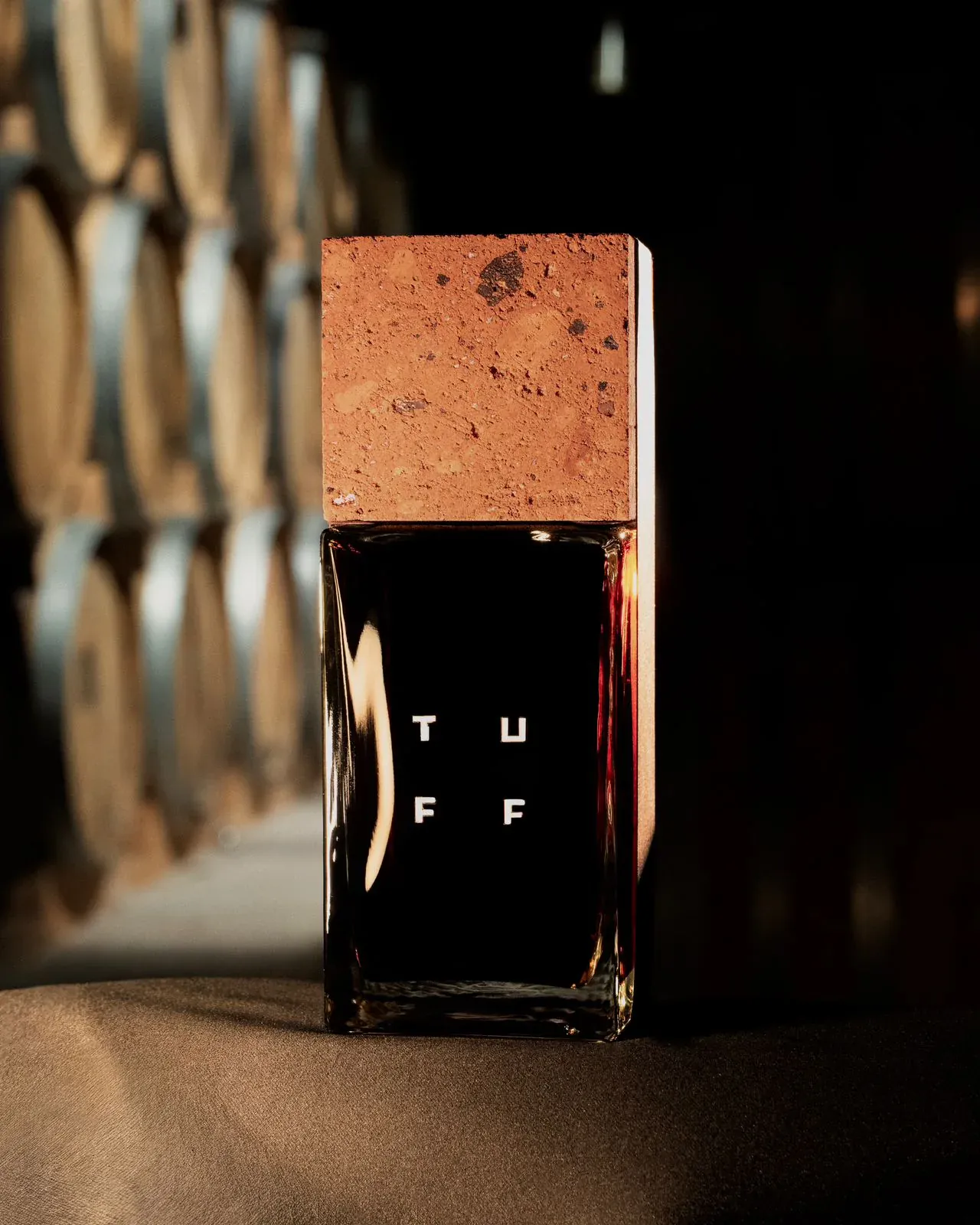
TUFF is one of the newer brands. It is made at the Proshyan Brandy Factory in Yerevan, founded in 1885. TUFF XO is from Mskhali and Kangun grapes of the 2004 harvest, aged 20 years; TUFF Heritage is from the 1994 harvest, aged 30 years. Each cap is carved from tuff by hand. Importers can find the trade kit or write to [email protected] (WeChat: ashotgasparyan).
Questions
When did Armenian brandy production begin?
Industrial production is usually dated from 1887, when the Tairyan distillery in Yerevan began making brandy.
Was Armenian brandy allowed to be called cognac in Paris in 1900?
Its presence at the 1900 exhibition appears in written sources. The claim that a blind-tasting win earned it the right to the name has no documentary support and is best treated as a legend.
Who owns the ARARAT brand today?
The Yerevan Brandy Company, which makes ARARAT, has been part of Pernod Ricard since 1998.
Can Armenian brandy still be called cognac?
Under CEPA Armenia is phasing the name out: by 2032 at home and by 2043 for exports to third countries. For label rules in a specific market, check with your customs broker.
Armenian brandy guide · Brandy or cognac · The TUFF collection
Read next: Armenian or Georgian brandy: what is the difference · The Ararat valley: where the grapes for Armenian brandy grow · Churchill and Armenian brandy: what is known and what is legend