In Armenia this spirit has been called cognac for more than a century. Export labels increasingly read "Armenian brandy". The word changed because of European rules; the spirit stayed the same. What sets it apart from French cognac is the grapes, the oak and the climate.
Armenian brandy and cognac side by side
Both are distilled from wine. The table shows where they part ways.
| Armenian brandy | French cognac | |
|---|---|---|
| Where | Armenia, grapes from the Ararat valley | The Cognac region of western France |
| Grapes | Local varieties: Voskehat, Garan Dmak, Mskhali, Kangun (TUFF: Mskhali and Kangun) | Mostly Ugni Blanc |
| Distillation | Double, in copper stills | Double, in copper Charentais stills |
| Oak | Caucasian oak | French oak, traditionally Limousin and Tronçais |
| Age on the label | Stars (3 to 5 years), KV, KVVK, KS, OS, or the age in years | VS (2+ years), VSOP (4+), XO (10+) |
| Name in the EU | "Armenian brandy" | "Cognac", a protected name |
| Typical style | Warm and rounded: dried fruit, chocolate, vanilla | Lighter and fruitier, often floral |
Brandy and cognac: a general word and a place name
Brandy is any spirit distilled from wine. Cognac is brandy from one region of France, around the town of Cognac. The name is protected, and in many countries only a spirit from there may carry it.
In Armenia the word "cognac" took root at the end of the 19th century, when brandy began to be made here by the French method. Under the 2017 agreement between Armenia and the European Union, the country is gradually taking "cognac" off its labels in favour of "Armenian brandy". The spirit does not change.
What they share
- Double distillation of young wine in copper stills.
- Ageing in oak barrels, where the spirit gains colour, softness and aroma.
- Blending: the master combines spirits of different ages to reach the character he wants.
What makes Armenian brandy different
The grapes
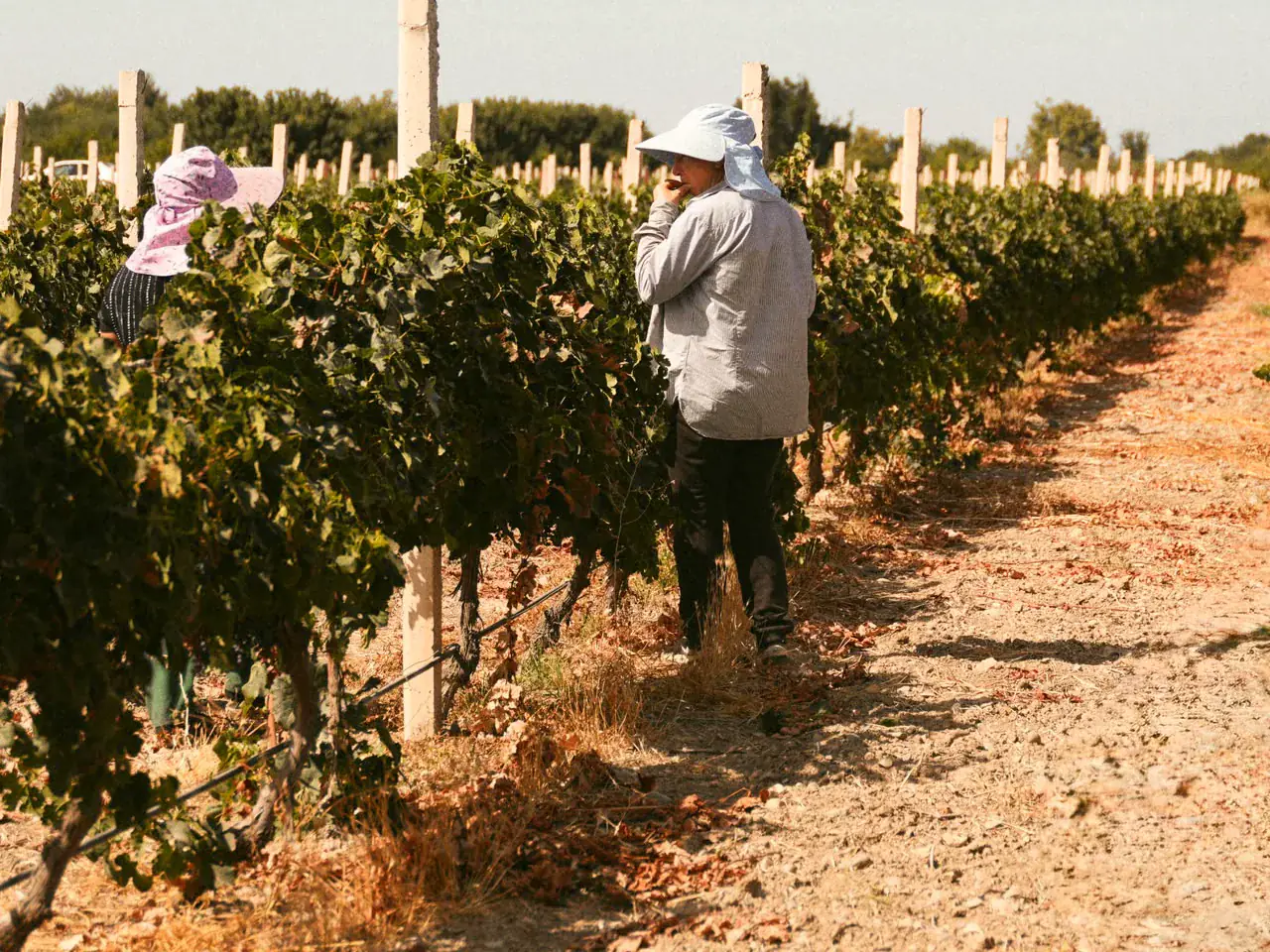
French cognac is made mostly from Ugni Blanc. Armenian brandy is made from local varieties grown under the hot sun of the Ararat valley: Voskehat, Garan Dmak, Mskhali, Kangun.
The oak
Armenian masters age their brandy in barrels of Caucasian oak. It gives its own notes: vanilla, chocolate, spice.
The climate
Summers in the Ararat valley are hot and winters cold. The grapes gain plenty of sugar and depth, and the brandy a warm, rounded character.
How they differ in taste
Every house has its own style, so it is hard to generalise. But Armenian brandy usually feels warmer and rounder: more dried fruit, chocolate and vanilla, fewer floral notes. French cognac is often lighter and fruitier, with a floral aroma.
The difference is clearest with two glasses of the same age side by side.
Years of ageing and classes
On French cognac age is marked with letters: VS at least 2 years, VSOP at least 4, XO at least 10.
By a tradition still seen on labels, Armenian brandy falls into two groups. Ordinary brandies are aged three to six years and marked with stars: three stars mean three years, five stars five. Vintage-grade brandies are aged six years or more, and historically carried abbreviations:
- KV, aged: 6 years or more.
- KVVK, aged, highest quality: 8 years or more.
- KS, old: 10 years or more.
- OS, very old: 20 years or more.
Today many houses, TUFF included, simply state the age of the youngest spirit in the blend. Only the years in the barrel count: once bottled, brandy no longer ages.
TUFF Armenian brandy
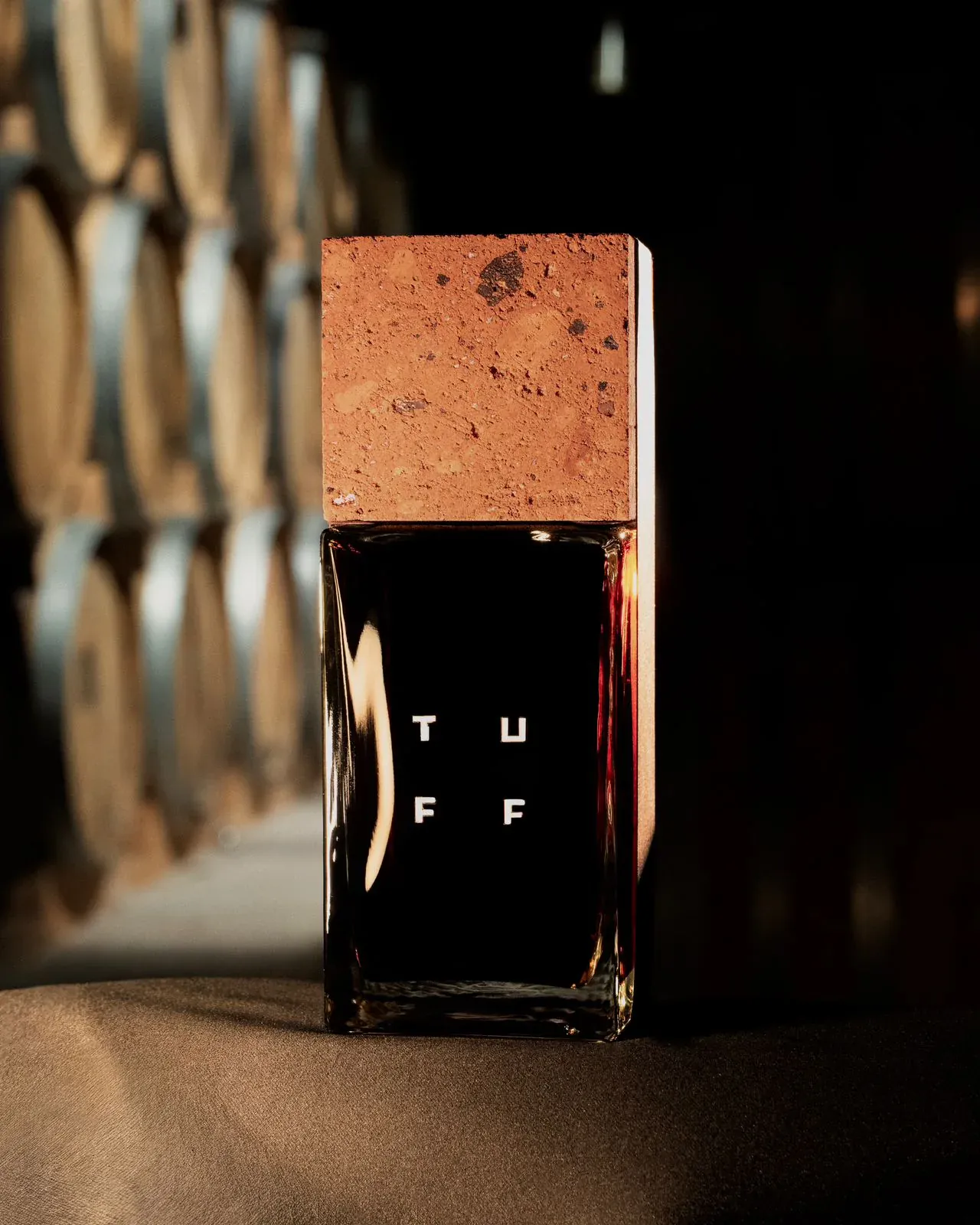
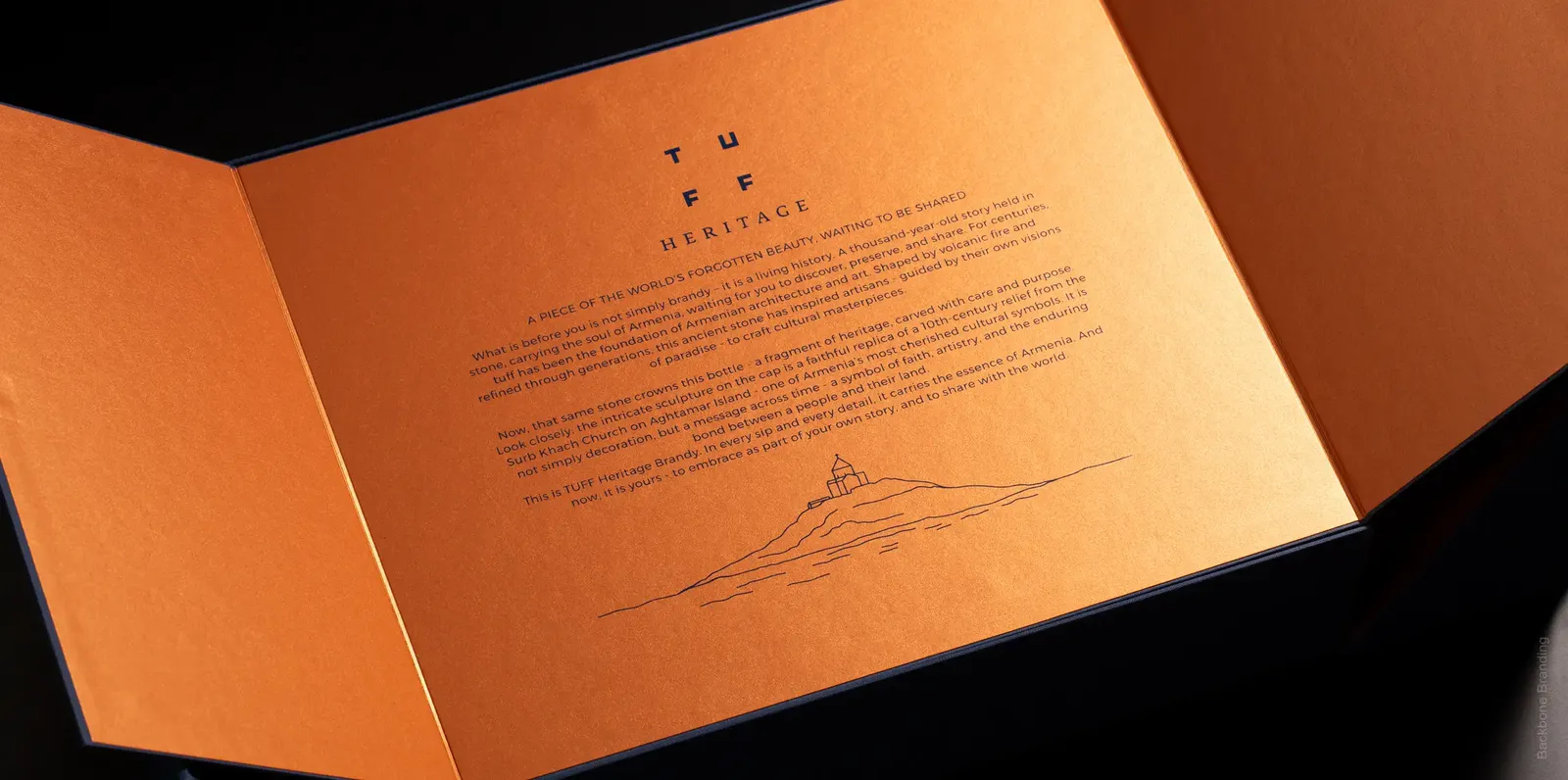
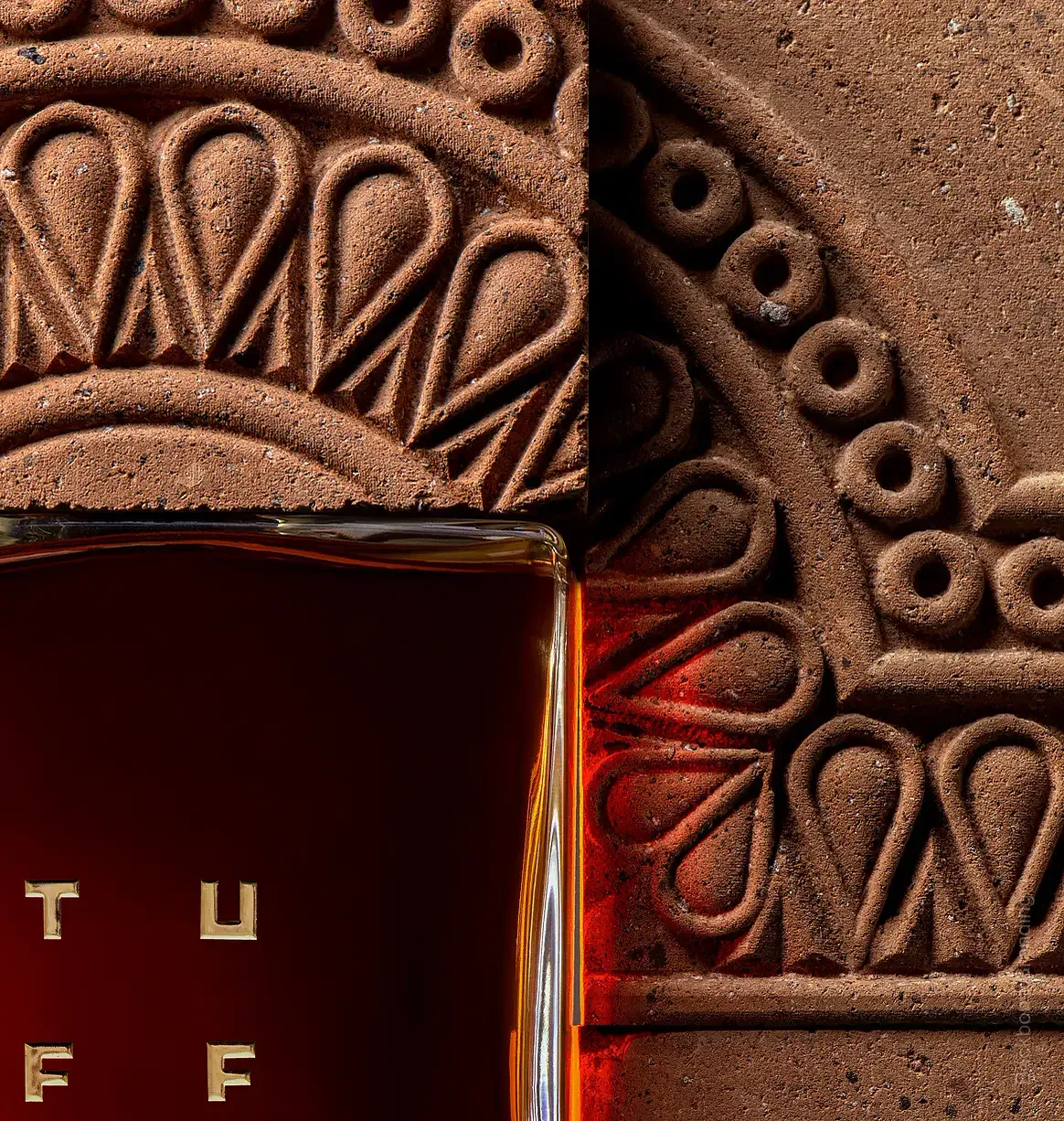
TUFF XO is aged 20 years and TUFF Heritage 30 years in Caucasian oak. Both are made from grapes of the Ararat valley, 40% ABV, with a hand-cut cap of volcanic tuff.
Which one to choose
It is a question of taste. If you like a rich, dessert-like profile with notes of dried apricot and chocolate, try an aged Armenian brandy. If you lean towards a light floral style, choose French cognac.
For a gift the story often matters more, and an Armenian brandy with a stone cap is remembered for a long time. Ideas in Armenian brandy as a gift.
Questions and answers
What is the difference between brandy and cognac?
Brandy is any spirit distilled from wine, usually aged in oak. Cognac is a brandy from the Cognac region of France, double distilled in copper stills and aged at least two years in oak. Armenian brandy is made in a similar way, from its own grapes and in Caucasian oak.
Is cognac a brandy?
Yes. Cognac is brandy from one region of France, around the town of Cognac. Every cognac is a brandy, but only a brandy from that region may be called cognac.
Can Armenian brandy be called cognac?
In Armenia and the former Soviet countries people have said so for more than a century. In the European Union the word "cognac" belongs to the spirit from the French region, so export bottles say "Armenian brandy".
Is Armenian brandy worse than French cognac?
No. They have different grapes, oak and climate. Well-aged Armenian brandy earns high marks at international competitions.
How long should a good brandy be aged?
For a slow evening, choose 10 years or more. Brandy aged 20 and 30 years is already at collector's level.
Is brandy a whiskey?
No. Brandy is distilled from wine, that is from grapes or other fruit. Whiskey is distilled from grain: barley, corn, rye or wheat. Both are aged in oak, which is why their colour and some notes are similar.
The TUFF collection · How to drink Armenian brandy
Read next: Armenian brandy (Armenian cognac): a complete guide · The Ararat valley: where the grapes for Armenian brandy grow