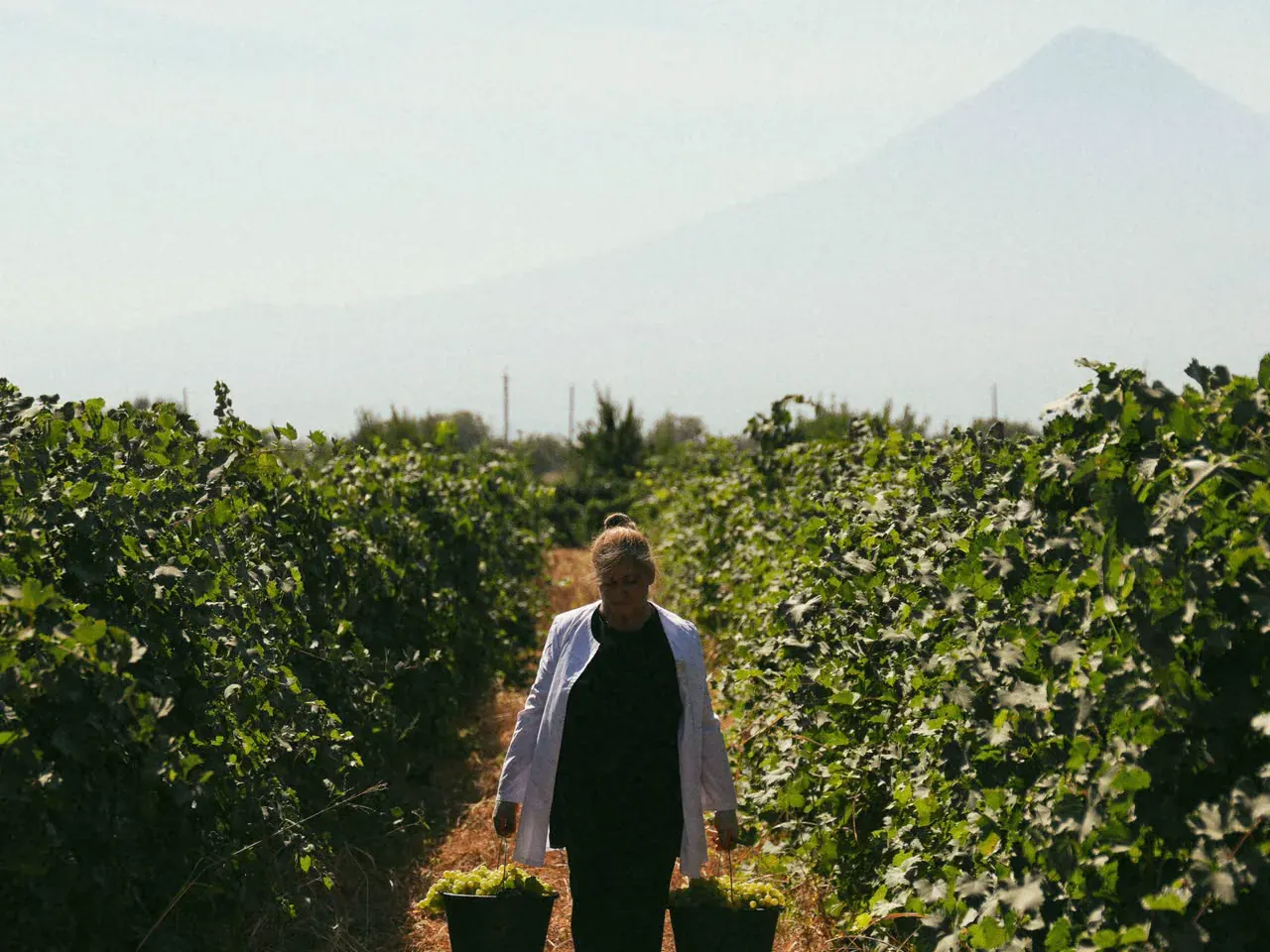
A broad plain along the Araks, and above it Mount Ararat. Here in the Ararat valley grows most of the grapes that Armenian brandy is made from.
Sun and contrast
Summers in the valley are hot and dry, sunny days are many and winters are cold. By day the grapes gather sugar; the cool of the night keeps their aroma. Such grapes make a rich wine, and the wine makes a brandy with a warm, rounded character.
Volcanic ground
Volcanoes shaped the Armenian Highlands, and much of the valley's soil is volcanic in origin. Rain is scarce here, so the vineyards are watered from the Araks and mountain rivers through a network of canals.
Six thousand years of winemaking
Grapes have been grown in Armenia for thousands of years. In the Areni cave in the south of the country, archaeologists found one of the oldest known wineries, about 6,000 years old.
Brandy began to be made here by the French method at the end of the 19th century, and the valley became its main source of grapes.
Local varieties
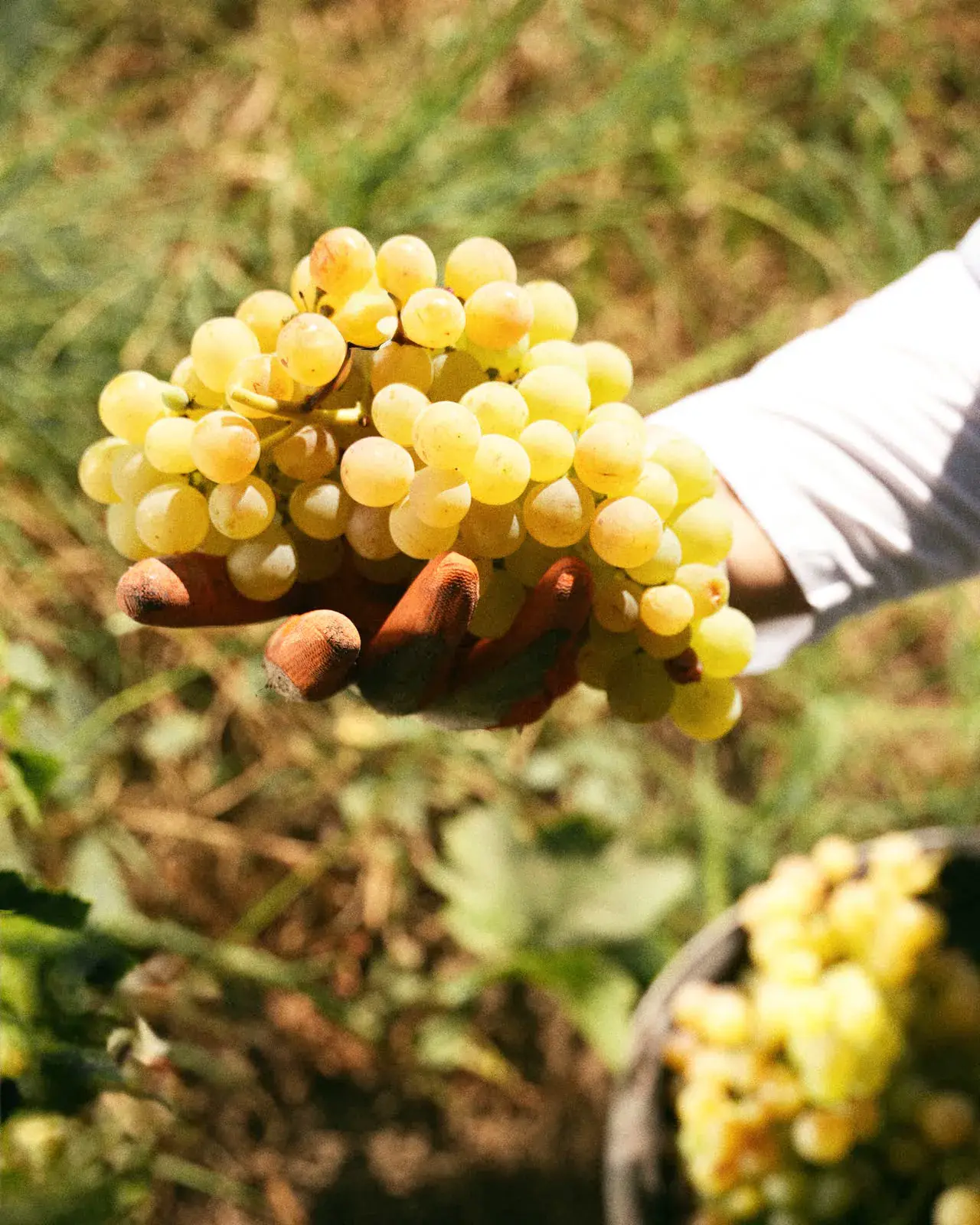
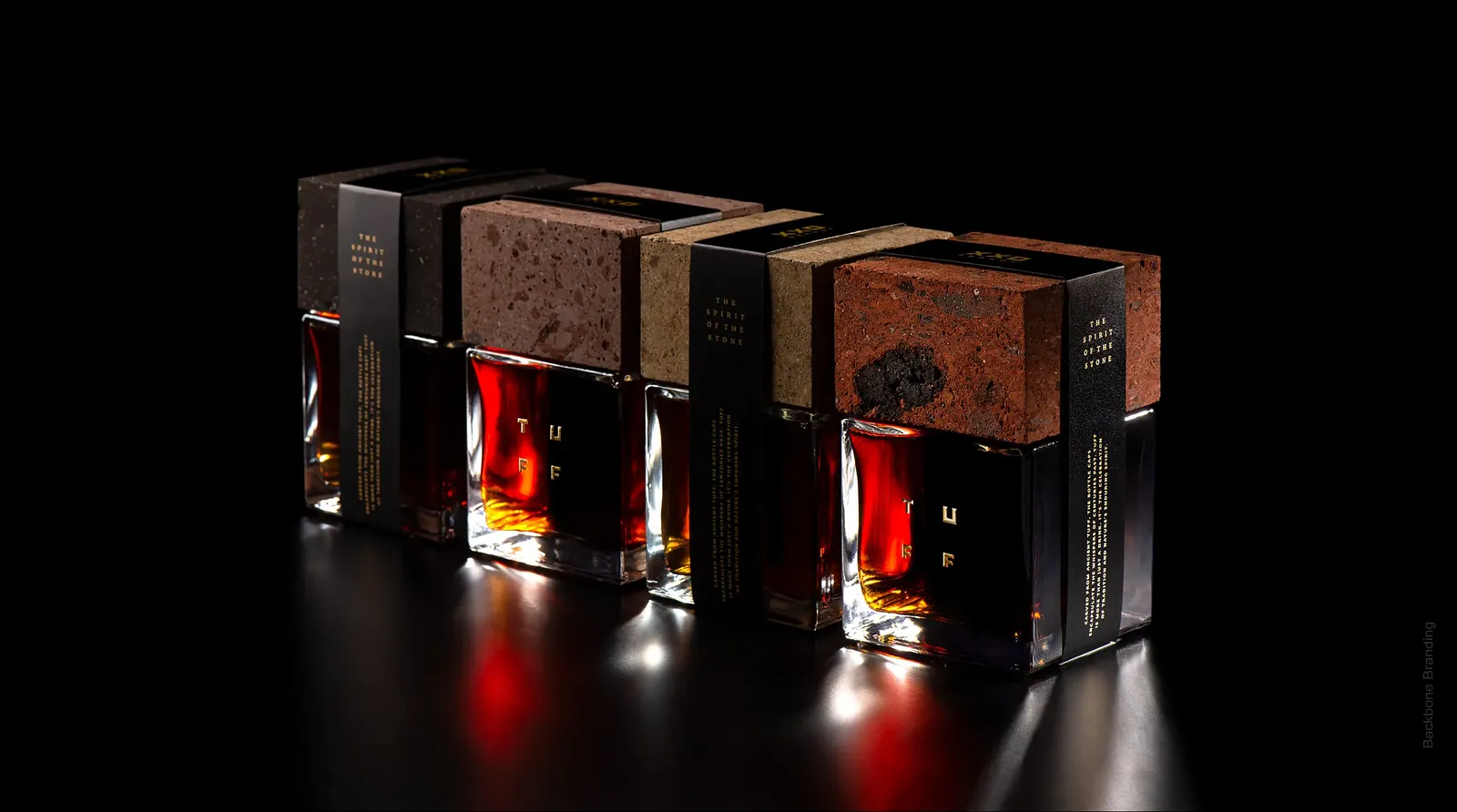
Armenian brandy is made from local grapes. Voskehat, the "golden berry", is one of the oldest. Beside it grow Garan Dmak and Mskhali. Kangun was bred in Armenia itself. TUFF is made from two of them, Mskhali and Kangun: TUFF XO from the 2004 harvest, TUFF Heritage from 1994.
Harvest
The grapes are picked in September and October. The young wine is distilled twice, and the spirit goes into oak barrels for many years: 20 for TUFF XO, 30 for TUFF Heritage.
Armenian brandy or cognac · The house of TUFF
Read next: Armenian brandy (Armenian cognac): a complete guide · Armenian or Georgian brandy: what is the difference · What brandy is made from and how: from grape to bottle
TUFF XO, 20 years · TUFF Heritage, 30 years · TUFF as a gift