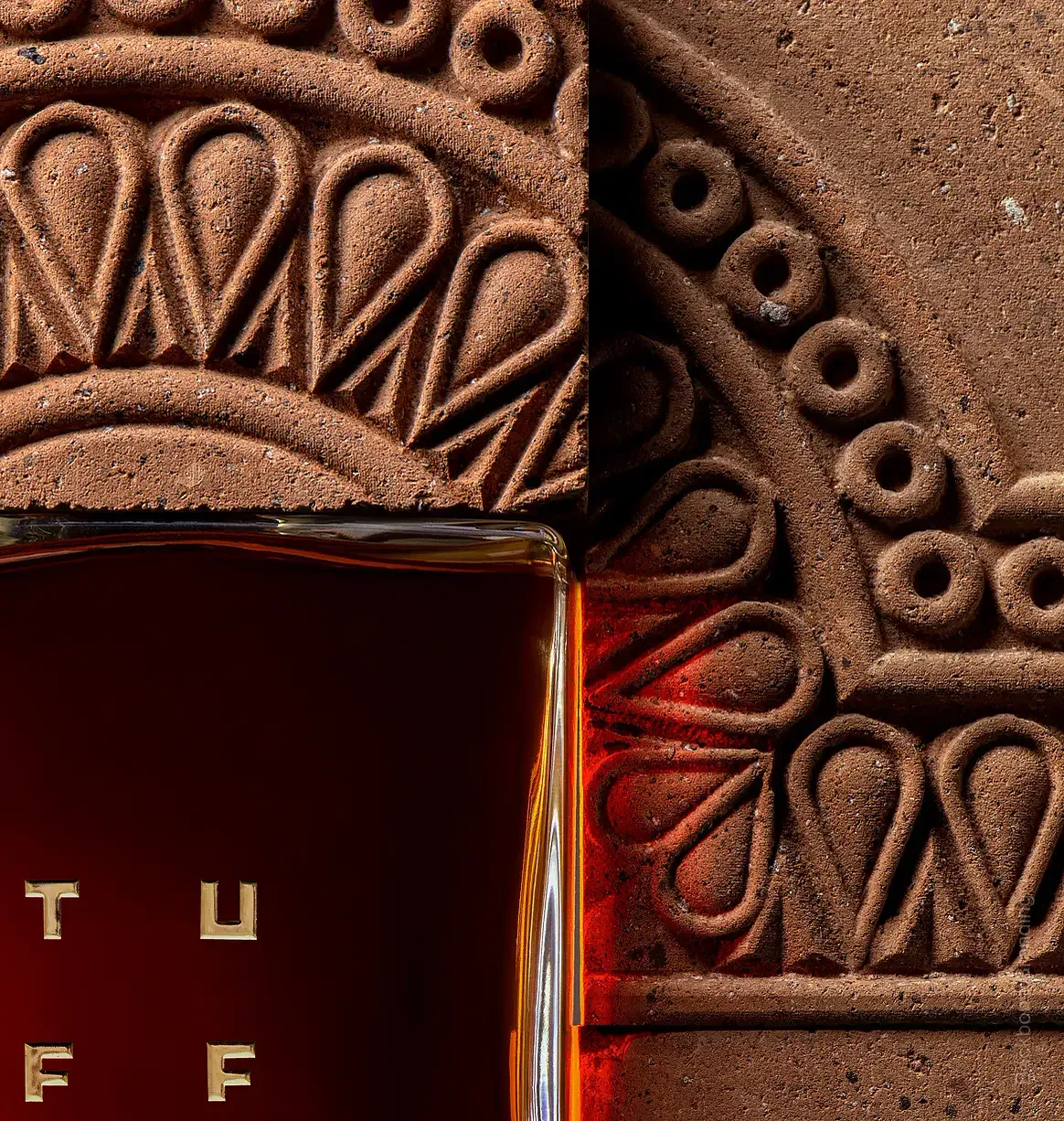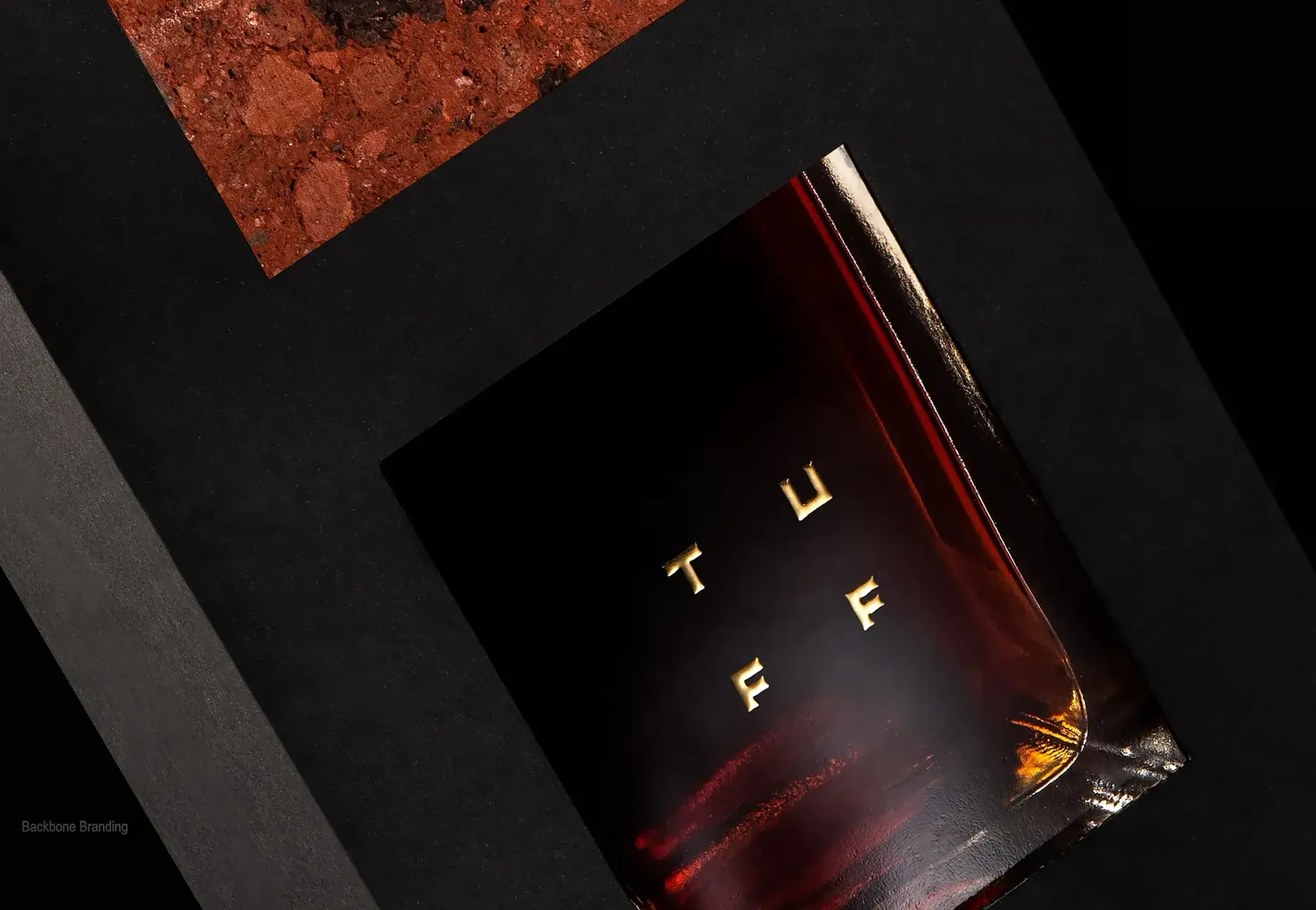
Look at the back label of almost any cognac or Armenian brandy and you will find the same figure: 40% vol. TUFF XO and TUFF Heritage carry it too. Here is where that number comes from, how it changes in the cask, and what it means in calories.
How strong is brandy
Most brandy sold today is bottled at 40% alcohol by volume (ABV). In the United States the same strength is written as 80 proof, because American proof is simply twice the ABV. Some houses bottle a little higher, at 41 to 43%, and a few release brandy straight from the cask at 50% or more.
The floor is set by law in many places. Under EU rules, a spirit sold as brandy must be at least 36% ABV and wine spirit at least 37.5%. Cognac is stricter: its appellation rules require at least 40% for any bottle sold to the public.
Why 40% is the usual number
Forty percent is the cognac minimum, and much of the brandy world took its cue from it. It is also a practical balance. At this strength the spirit carries its aroma well and still feels round in the mouth, while higher strengths bring more heat on the tongue.
So 40% on a label is a deliberate choice. It is the strength at which the house wants its brandy to be drunk.
How ageing changes strength
Freshly distilled brandy is much stronger than what reaches the glass. Cognac, for example, may leave the still at no more than 72.4% ABV. The young spirit then goes into oak.
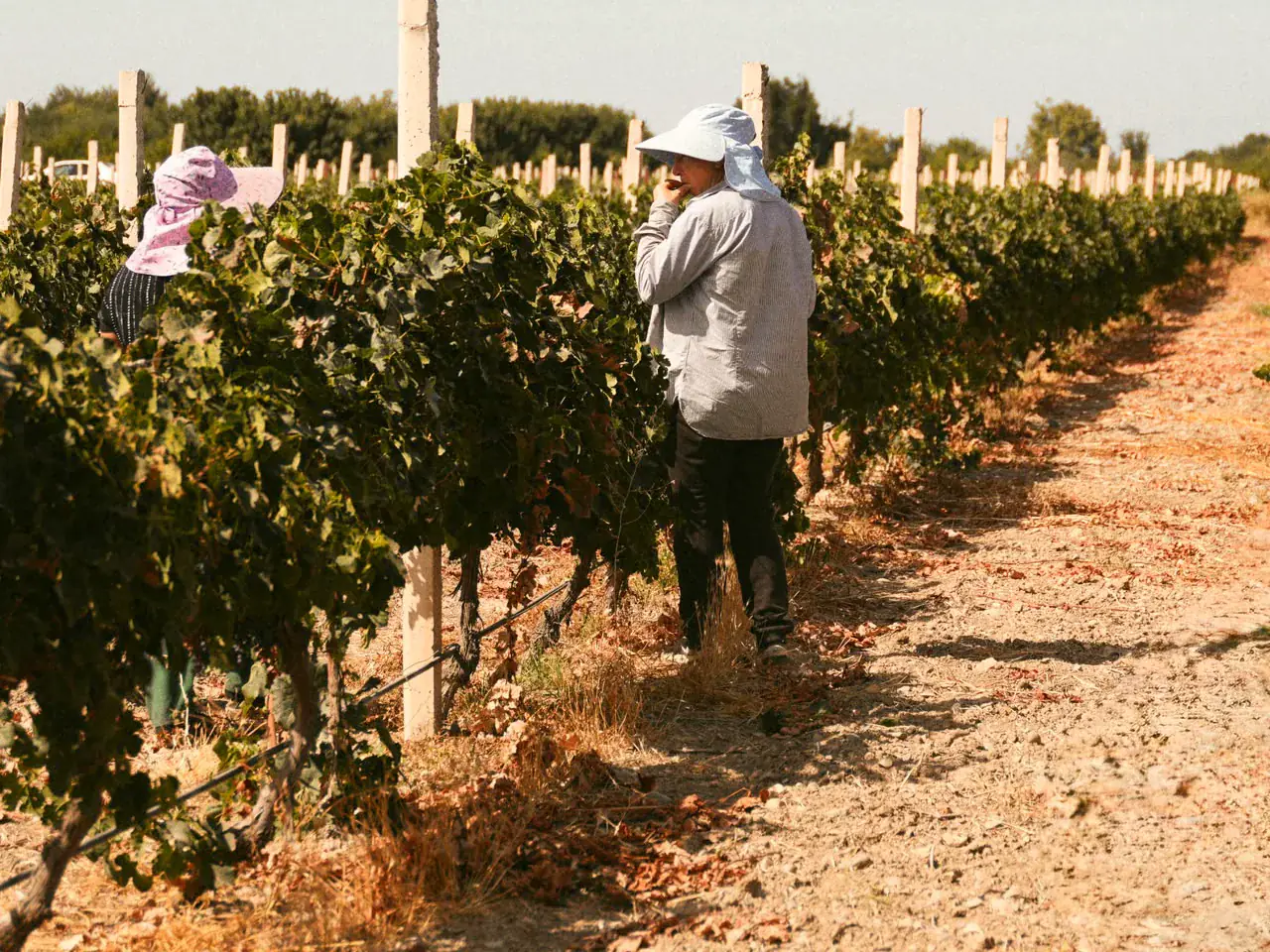
In the cask, a little liquid evaporates through the wood every year. Cellar workers call it the angel's share. Over decades this slowly lowers both the volume and, depending on the cellar's humidity, the strength. Before bottling, the cellar master brings the brandy down to its final strength with pure water, usually in several gentle steps so the spirit is not shocked.
Cask strength brandy
Cask strength means the spirit was bottled without that final reduction, at whatever strength it had in the barrel. For brandy this is usually somewhere between 45 and 60%. Such bottles are rarer than in whisky and are mostly aimed at collectors.
If you taste a cask strength brandy, pour less and add a few drops of water. The aroma often opens noticeably.
How strength affects tasting
At 40%, brandy is ready to drink neat. Pour a small measure into a tulip glass, let it rest for a few minutes and warm it in your palm. Room temperature, around 18 to 20 °C, suits it best. Very cold glasses mute the aroma; very warm ones push the alcohol forward.
Strength also explains the size of the pour. A standard tasting measure is 30 to 50 ml, sipped slowly over half an hour or more. There is more on glasses, temperature and food in our guide on how to drink Armenian brandy.
How many calories are in brandy
Almost all the calories in brandy come from alcohol itself. Pure alcohol gives about 7 kcal per gram, compared with 4 for sugar or protein. Brandy has practically no fat or protein, and aged brandy contains very little sugar.
The numbers for a 40% spirit:
- USDA data for 80 proof distilled spirits: about 231 kcal per 100 g;
- per 100 ml of 40% brandy: about 220 kcal;
- per 50 ml serving: about 110 kcal;
- per 30 ml: about 65 kcal.
The figures differ slightly between 100 g and 100 ml because brandy is a little lighter than water. A brandy at 42% or 43% will give a few more calories per serving.
Compared with wine, beer and whisky
Whisky at 40% has practically the same calories as brandy at 40%. Strength is what matters, so a 50 ml measure of either is about 110 kcal.
A 150 ml glass of dry wine at 12 to 13% has roughly 120 to 125 kcal. A 500 ml glass of regular lager at 5% has around 210 kcal. In pure alcohol, 50 ml of brandy holds about 20 ml, close to the same 150 ml glass of wine, and a little less than the pint of beer.
Whatever the glass, it is worth drinking in moderation and never before driving. If you are curious how Armenian brandy relates to French cognac beyond the label figure, see Armenian brandy or cognac.
TUFF XO is aged 20 years and TUFF Heritage 30 years in oak, both bottled at 40%. The TUFF collection
Questions and answers
How many degrees is cognac?
Cognac is at least 40% ABV by law, and most bottles are sold at exactly 40%. Some reach 41 to 43%, and cask strength releases can go higher.
How many calories are in 50 ml of brandy?
About 110 kcal for a brandy at 40%. Almost all of it comes from alcohol, which gives around 7 kcal per gram.
Is brandy stronger than whisky?
Usually not. Both are most often bottled at 40%, and Scotch whisky has the same 40% legal minimum. Cask strength versions of either can be much stronger.
Does brandy get stronger with age in the bottle?
No. Once bottled, brandy stops changing in strength. In the cask, over many years, it slowly loses alcohol to evaporation.
How to drink Armenian brandy · Armenian brandy or cognac · Brandy vs whiskey