Could two bottles marked XO tell you very different things? The label alone doesn’t explain a brandy’s origin, grapes or bottle details. For Armenian XO brandy, those facts give the age designation useful context and help you compare listings without relying on grand claims.
It’s reasonable to want clear, verifiable details before choosing a bottle. This guide sets out what to look for, from origin and grape varieties to age, strength and volume, then applies that framework to TUFF XO.
TUFF XO is aged 20 years in Caucasian oak and made from Mskhali and Kangun grapes. The 700 ml bottle is 40% ABV, comes in a gift box and has a hand-cut volcanic tuff stone cap. We’ll consider how these particulars help you assess the listing, and clarify why some US shops call the same TUFF XO “XO Ani Edition.” The aim is a measured decision based on the bottle’s stated facts.
Key Takeaways
- Read XO listings beyond the age designation: origin, grapes and producer complete the picture.
- Separate where a brandy comes from from what its XO label tells you about age.
- Compare listings using the same details, and treat information a seller doesn’t state as unstated rather than assume.
- Use a simple sequence to choose: define the occasion, check origin, compare product facts, then select a bottle format.
- Consider harvest year and format as part of the bottle details, including TUFF XO’s 2004 harvest and its 700 ml and 50 ml options.
Table of Contents
- What Armenian XO Brandy Tells You, and What It Leaves Unsaid
- Ararat Valley Grapes and Yerevan Production: TUFF’s Armenian Foundations
- How to Compare Armenian XO Brandy Listings with Confidence
- A Four-Step Way to Choose an Armenian XO Bottle
- TUFF XO 700 ml: Age, Oak, Stone, and Packaging
What Armenian XO Brandy Tells You, and What It Leaves Unsaid
A label gives a buyer a starting point, not a complete account of what is in the bottle. In Armenian XO brandy, “Armenian” identifies the stated national origin, while “XO” is a separate age-related classification term. The two words answer different questions. Neither, on its own, names the grapes or producer.
A label can signal origin and classification; it cannot, by itself, establish a complete product profile or guarantee quality. That distinction helps keep a purchase grounded in information the label or product page actually provides, rather than assumptions attached to familiar initials.
Read origin and classification as separate details
“Armenian” identifies the product’s stated country of origin. “XO” describes its classification, not its producer or grape varieties. The term alone also isn’t a tasting note: it doesn’t promise a particular aroma, flavour, or level of quality. The guide to VS, VSOP, and XO meaning explains how the designation relates to other age classifications.
Keep the two details in separate columns in your mind. Origin helps establish where a product comes from. Classification tells you how it is presented within an age-designation system. Neither replaces the producer’s stated information about the individual bottle.
Look beyond the initials on the label
A useful listing fills in the particulars that XO leaves open. Look for named grape varieties, the producer, a stated age, strength, volume, and packaging format. These details let you compare like with like. If one product page names grapes and another doesn’t, record the second listing’s grape information as “unstated,” rather than guessing from its origin or classification.
For a first-time buyer, a simple reading order keeps the details clear:
- Origin: Does the listing state a country or region?
- Grapes and producer: Are the varieties and maker identified?
- Age and strength: What figures does the product information give?
- Bottle particulars: Is the volume and format clear?
Separate stated facts from interpretation. “XO” is classification information. A grape variety, producer, age, strength, or bottle size is a separate product detail that should appear in the listing or on the label before you treat it as fact. A polished description or a familiar term can’t fill a gap in the record.
This approach doesn’t rank bottles or claim that one style is better. It gives you a steady basis for comparison: origin first, designation in its proper place, then the facts that describe the specific brandy. From there, you can read product information with care instead of relying on assumptions.
Ararat Valley Grapes and Yerevan Production: TUFF’s Armenian Foundations
A brandy’s Armenian identity becomes more specific when its listing names both the grapes and the producer. TUFF brandy is made from Mskhali and Kangun grapes grown in Armenia’s Ararat Valley. It is produced by Proshyan Brandy Factory in Yerevan. These details connect the fruit’s stated origin with the place of production, without asking the buyer to infer more than the facts provide.
TUFF’s named grapes, Mskhali and Kangun, come from the Ararat Valley in Armenia, while the brandy is produced in Yerevan.
Mskhali and Kangun as stated grape varieties
Named grape varieties add useful precision to a product listing. Mskhali and Kangun give the buyer concrete information to compare across product pages, rather than a broad reference to Armenian grapes alone. The names identify the varieties used. They don’t, by themselves, establish proportions, harvesting methods, or separate flavour characteristics, so those details shouldn’t be inferred.
For a careful comparison, note whether a listing identifies the grapes by name. If it does, record the stated varieties as written. If it doesn’t, leave the grape detail unstated instead of filling the gap with assumptions based on the product’s country or classification. This keeps the comparison clear and tied to information a buyer can verify.
The Ararat Valley and Yerevan connection
The stated grape origin is the Ararat Valley, Armenia. The producer is Proshyan Brandy Factory in Yerevan. These are distinct pieces of information: one identifies where the named grapes are grown, the other identifies the producer and its city. The Ararat Valley guide gives further regional context for understanding the place named in the product information.
For buyers, the distinction matters. A listing that names Armenia alone gives a broad origin; one that also names the Ararat Valley and Mskhali and Kangun provides a more particular account of its grape source. Naming Proshyan Brandy Factory adds the producer. Taken together, these details give a grounded picture of TUFF’s Armenian foundations, without making claims about vineyard conditions or production methods.
Use the same standard when comparing other bottles: record the stated grape names, growing region, producer, and production location separately. Keep each fact in its own place. A region is not a grape variety, and a producer’s city is not necessarily the origin of the grapes. Clear distinctions make product listings easier to assess, especially when the descriptions vary in detail.
How to Compare Armenian XO Brandy Listings with Confidence
A comparison is clearest when each bottle is judged by the same set of stated facts. For Armenian XO brandy, keep origin, grapes, producer, age, strength, and bottle format distinct. XO is classification terminology; bottle volume and alcohol strength are separate product details.
Compare what each listing states, not what its category name might lead you to assume. The table below gives you a consistent record to use. “Unstated” means the information isn’t provided in the listing being assessed, not that the detail can be inferred.
DetailTUFF XOAnother listingOriginArmenia, Ararat Valley grapesRecord the stated country and region, or “unstated”Named grapesMskhali and KangunRecord named varieties, or “unstated”ProducerProshyan Brandy Factory, YerevanRecord the producer, or “unstated”Stated age20 yearsRecord a stated age, or “unstated”Strength40% ABVRecord the stated ABV, or “unstated”Bottle format700 ml in a gift box; also available as a 50 ml miniatureRecord the stated volume and format, or “unstated”
A concise checklist for comparing product pages
Read across the same details for each bottle. Note the country and region, grape names, producer, stated maturation age, ABV, volume, and packaging format. Keep age separate from the XO designation, and strength separate from bottle size. This simple record makes missing information visible without turning it into a negative judgment.
Separate verified details from broad claims
A precise statement such as “aged 20 years” gives a specific age. Phrases such as “extended aging” are broader and don’t provide the same comparison point. Packaging and promotional language can describe presentation, but they don’t establish a guaranteed experience or replace product particulars. For broader selection guidance, see the guide to choosing Armenian brandy.
Keep the comparison neutral. If a retailer describes another bottle in general terms, record the wording as presented and mark missing details as unstated. Don’t fill gaps with assumptions about grapes, origin, or age. This method respects what each producer or seller actually says and gives you a firmer basis for deciding which listed facts matter to you.
For TUFF XO, the product page brings those particulars together in one place. You can review the stated details from the TUFF brandy house as you complete your comparison.
A Four-Step Way to Choose an Armenian XO Bottle
A considered choice doesn’t require a ranking. It requires a clear purpose and a steady look at the facts each producer provides. Use these four steps to move from the reason for choosing a bottle to a format that fits, without treating marketing language as proof of a particular experience.
- Define the occasion. Decide whether you’re choosing for personal interest, adding a bottle to a collection, or considering a present. The purpose helps you set priorities, but it shouldn’t replace the product details. For recommendations focused specifically on presents, use the Armenian brandy gift guide.
- Check the origin. Look for the stated country and, where provided, region. Note them separately from the XO designation. If a listing gives only a broad geographic origin, record that accurately rather than assuming a more precise source.
- Compare the product facts. Record the named grapes, producer, stated age, and alcohol strength. Keep each item distinct. A stated age is a specific detail; a broad phrase about maturation is not an equivalent comparison. If a detail is absent, mark it as unstated instead of filling the gap with a guess.
- Choose the format. Compare bottle volume and packaging separately from age and strength. Make like-for-like comparisons where possible, such as matching the same volume across listings. A gift box or other packaging description tells you about presentation, not a guaranteed drinking experience or quality.
Start with purpose and product information
Purpose shapes what you’ll pay attention to. A collector may want a clearly stated age and producer; someone choosing for personal interest may first look for origin and named grapes. For any purpose, use the same record: origin, grapes, producer, age, strength, volume, and format. This simple discipline keeps the choice rooted in verifiable product information.
Make the final comparison without assumptions
Once the details are recorded, separate facts from preference. You may favour a particular format or place importance on named grape varieties, but those preferences are yours. The producer’s stated information remains its own category. Don’t let packaging language stand in for missing product particulars, and don’t treat an unstated detail as a negative claim about the bottle.
For a final check, read the producer’s product page and compare its stated details with the listing you’re considering. TUFF’s product information gives you a direct reference point for its Armenian brandy and available formats. Explore TUFF XO product details before making your choice.
TUFF XO 700 ml: Age, Oak, Stone, and Packaging
A product profile becomes useful when its details are concrete and easy to distinguish. TUFF XO is Armenian brandy aged 20 years in Caucasian oak. The 700 ml bottle is 40% ABV, comes in a gift box, and carries a 2004 harvest designation. These particulars describe the bottle without asking the buyer to read more into the XO initials than they state.
The confirmed details of TUFF XO 700 ml
For a listing comparison, record the age, oak, strength, harvest, and format as separate facts. TUFF XO is 20 years old, matured in Caucasian oak, and bottled at 40% ABV. Its 700 ml format is presented in a gift box. The stated harvest is 2004. Each detail answers a different question about the product.
The harvest year and stated age should remain distinct. The harvest designation is 2004, while the age is 20 years. The bottle particulars identify the format and presentation: 700 ml in a gift box. Together, these specifics give a clearer profile than the XO wording alone, while keeping the description within the stated facts.
For anyone comparing Armenian XO brandy, this set of details offers a practical reference. It allows you to check a retailer’s product description against the producer’s information, noting whether age, strength, harvest year, and format are represented accurately. It doesn’t require a subjective ranking. It simply gives each fact its proper place.
The volcanic tuff cap and award-winning packaging
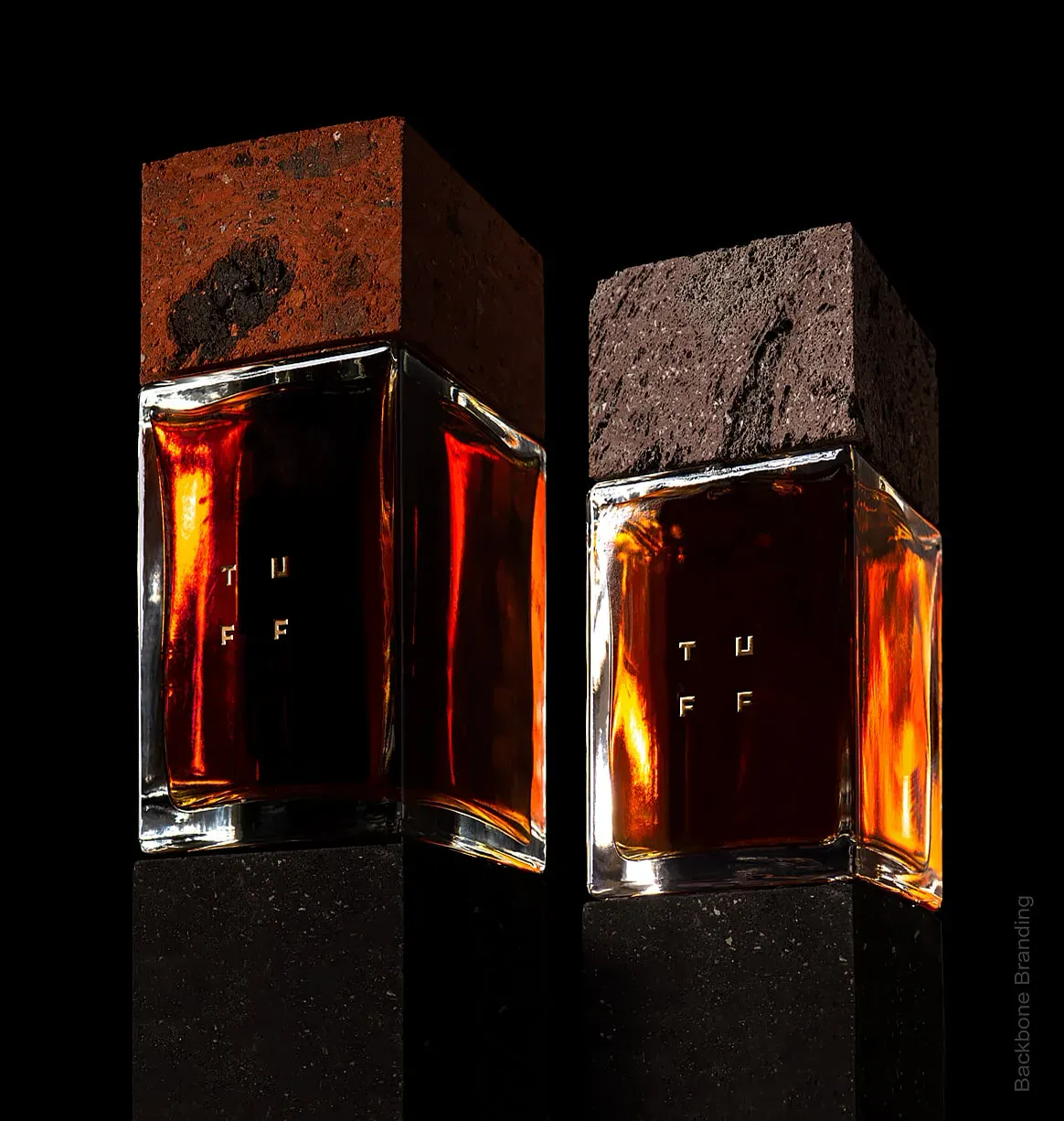
Each bottle is closed with a cap cut by hand from Armenian volcanic tuff stone. Since every cap is cut individually, no two are alike. The cap comes off and can be kept as a desk object or pen holder. Stone gives the bottle a tangible detail that can be considered separately from the brandy’s age and maturation.
The packaging was created by Backbone Branding in Yerevan. It received the Red Dot Award 2024 and Pentawards 2024 Silver and Bronze. These are recognitions for the packaging, not guarantees of a particular flavour or quality. For a careful buyer, that distinction keeps design information clear alongside the product facts.
The age, oak, harvest, strength, bottle format, stone cap, and packaging recognition each describe a different part of TUFF XO. Read together, they make the listing more informative: the brandy’s stated maturation and strength sit alongside the harvest year, gift-box format, and hand-cut cap. None needs to stand in for another.
To review the product particulars directly, view TUFF XO 700 ml product details.
Let the Details Guide Your Next Choice
Choosing an Armenian XO brandy needn’t depend on the boldest description or the most elaborate presentation. Let your own priorities set the measure. Decide which details matter to you, then give each one its proper weight. A clear origin, named grapes, producer information, and bottle particulars can make a product page more useful, while personal preference remains your own.
That measured approach leaves room for discovery without asking a label to promise more than it says. Take a moment with the details, consider what feels relevant, and choose at your own pace. The right bottle is the one whose stated particulars align with what you’re looking for.
Explore TUFF Armenian brandy and consider the product information for yourself. A thoughtful choice begins with clear facts and ends with confidence in your own criteria.
Frequently Asked Questions
What does 40% ABV mean on a brandy label?
ABV means alcohol by volume. It expresses the proportion of alcohol in a drink and lets you compare stated strength across labels. The percentage doesn’t tell you whether a brandy is sweet, how long it matured, or whether it will suit your personal taste. Treat it as a technical product detail, not a quality rating or a recommendation about how much to drink.
What does the harvest year mean for an aged brandy?
The harvest year refers to the grapes’ vintage, while an age statement refers to the brandy’s stated maturation. They describe separate points in the product’s history. Use the harvest year to distinguish one vintage designation from another, and read the age as its own label detail. Don’t calculate a bottling date from the two figures, since they don’t establish that date.
Are Ani and Aghtamar editions of TUFF XO?
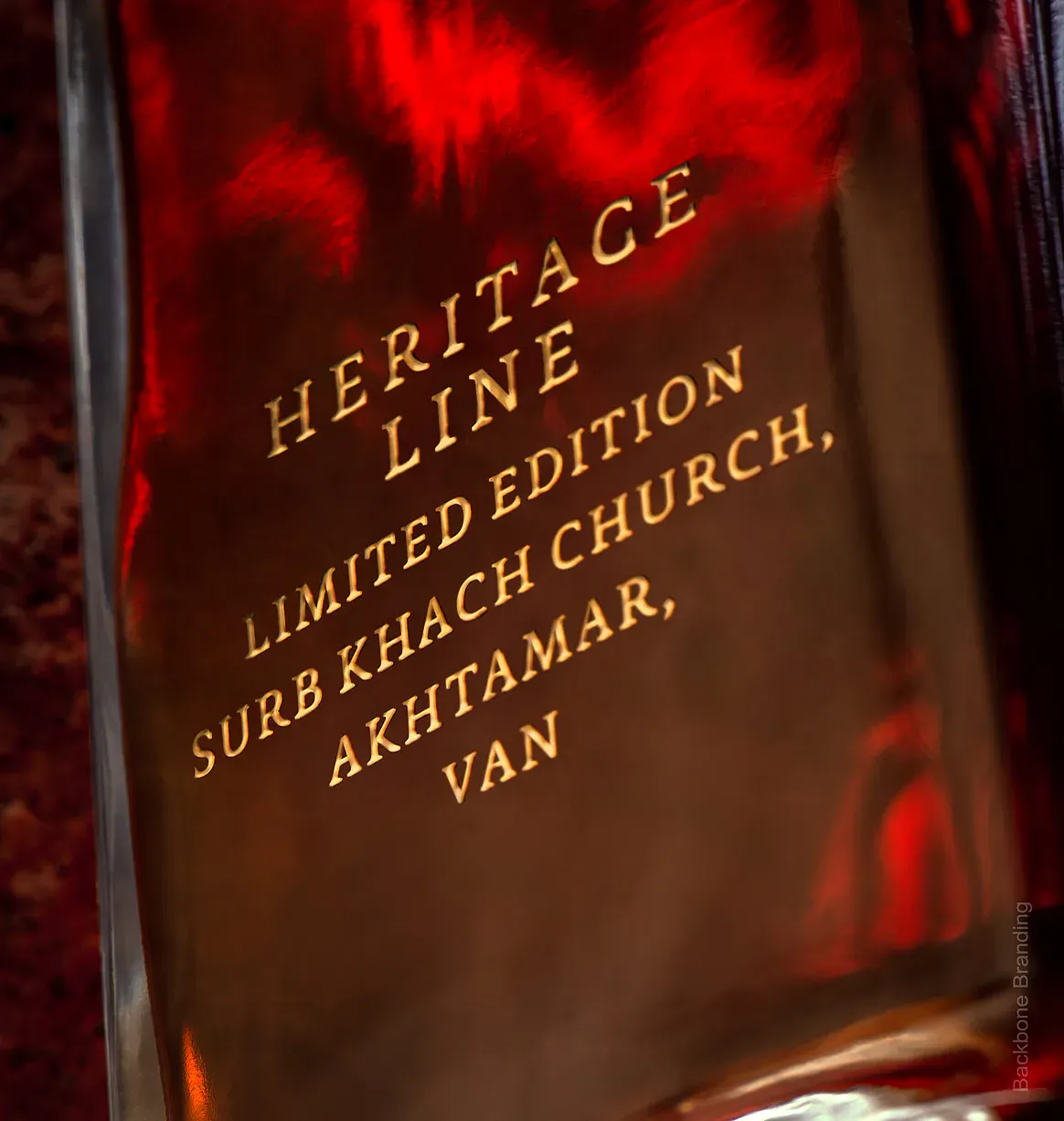
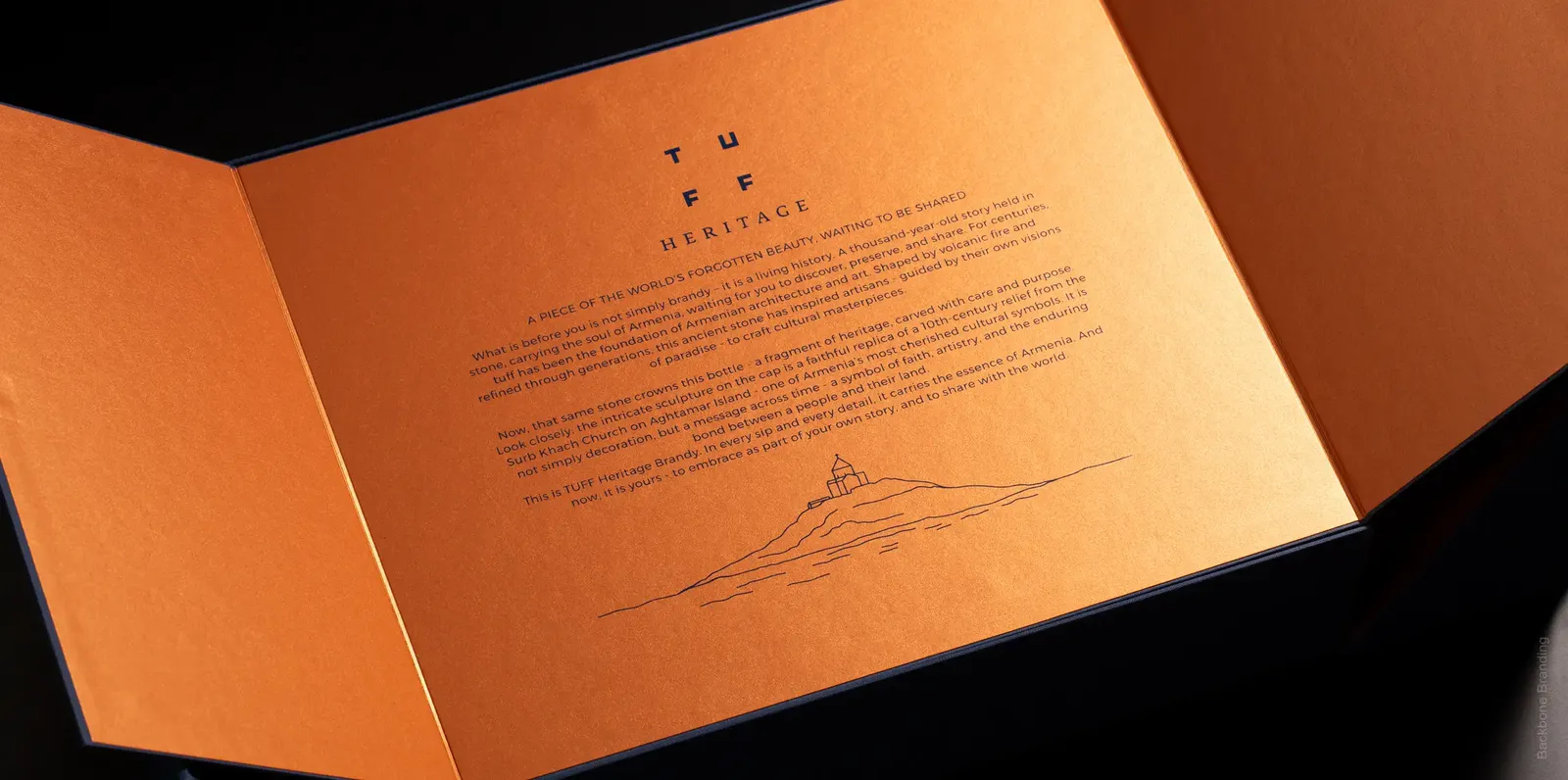
No. Ani and Aghtamar are editions of TUFF Heritage. This distinction matters because the edition names refer to Heritage’s presentation, not to a separate XO variant. Heritage is Armenian brandy aged 30 years in oak. Its Aghtamar cap draws on a 10th-century relief of the Church of the Holy Cross on Aghtamar Island; the Ani cap references the Church of St. Gregory in Ani, dated 1215.
Is TUFF XO Ani Edition the same product as TUFF XO?
Yes. “XO Ani Edition” is a name used by some US shops for TUFF XO. If you encounter the wording, compare the listing’s producer and product description rather than relying on the name alone. This is especially useful when shopping online, where retailers may format product titles differently. The Ani edition of TUFF Heritage is a separate naming reference, so read the full listing carefully.
Can the TUFF online shop deliver outside Armenia?
No. The tuffbrandy.com shop delivers within Armenia only. If you’re buying from another country, use TUFF’s where-to-buy information to find the stated options for that market. Delivery terms belong to each retailer, so review the seller’s own shipping information before placing an order. This helps distinguish the delivery scope of TUFF’s online shop from the policies of other sellers.
Is Armenian brandy called konyak in Armenia?
Yes. “Konyak” is commonly used in Armenia when people speak about brandy. In English-language product descriptions, use “Armenian brandy” for TUFF. “Cognac” refers to brandy from the French region of Cognac, so the terms aren’t interchangeable in English. Knowing both usages helps make conversation understandable while keeping written product names clear for readers outside Armenia.
Read next: Armenian brandy as a gift: how to choose · Armenian Brandy for Collectors: Provenance, Craft, and Meaning
TUFF XO, 20 years · TUFF Heritage, 30 years · TUFF as a gift