A case of brandy leaving Yerevan has three checks to clear before it reaches a warehouse in Shanghai or Guangzhou: the distillery registered with China Customs (GACC), the importer filed with customs, and a Chinese back label approved before import. This checklist covers importing Armenian brandy (HS 2208.20) into mainland China under the 2026 rules. Practice differs between ports, so confirm the details with your customs broker.
What the importer needs
- A business licence and customs filing as a consignee of import and export goods.
- Imported food importer filing with the customs office where the company is registered.
- To sell in China: a filing with the local market regulator if you sell only prepackaged food; otherwise a food business licence.
Registering the distillery: Decree 280
GACC Decree 280, the Provisions on the Registration of Overseas Manufacturers of Imported Food, took effect on 1 June 2026 and repealed Decree 248. The list of 17 food categories that need an official recommendation (meat, dairy, seafood and others) does not include alcoholic beverages, so a distillery applies to GACC itself or through an agent. Registration is valid for 5 years.
Registered producers mark the packaging with their China registration number or the registration number approved by their own country's competent authority. The customs declaration must carry the China registration number in the product qualification field, or it is not accepted. Ask your supplier for the number before you order and check it.
The Chinese back label
Imported spirits need a Chinese label, and the importer must review it before import; a label that fails review cannot be imported. GB 7718-2011, the general standard for prepackaged food labels, applies now; GB 7718-2025 takes effect on 16 March 2027. Brandy is a distilled spirit, so GB 2757-2012 also applies:
- alcohol content in "%vol";
- the warning "过量饮酒有害健康" (excessive drinking is harmful to health);
- drinks of 10% vol or more may omit the shelf life.
The label also gives the product name, ingredients, net volume, production date, country of origin, and the name, address and contact details of the Chinese importer or distributor.
Customs documents
The usual set: commercial invoice, packing list, bill of lading or air waybill, certificate of origin, the Chinese label sample and the original label. Whether an official Armenian health certificate is also needed can differ between ports; check with your broker.
Duties and taxes
| Tax | Rate |
|---|---|
| Import duty (MFN) | 10% |
| Consumption tax | confirm with your customs broker |
| VAT | 13% |
China and Armenia have no free trade agreement, so the MFN rate applies. The former 5% provisional rate for brandy was removed on 1 January 2025. Imported spirits also pay consumption tax; confirm the exact rate and calculation for brandy with your customs broker. The three taxes are calculated on a cumulative base: consumption tax is charged on a composite taxable price, and VAT is charged on the value plus duty and consumption tax.
The EU brandy anti-dumping duty does not apply
MOFCOM Announcement No. 34 of 2025 imposed anti-dumping duties from 5 July 2025, for 5 years, on brandy originating in the EU in containers under 200 litres, with dumping margins of 27.7% to 34.9%. The measure is tied to origin. Brandy of Armenian origin is outside its scope, and the certificate of origin is the proof.
Logistics
Armenia is landlocked. Sea freight usually leaves through the Georgian ports of Poti or Batumi; Eurasian rail is another option, and samples or small lots can fly from Zvartnots airport. Freight forwarders quote roughly 45–60 days door to door by sea, 25–40 days by rail and 5–10 days by air.
What TUFF provides
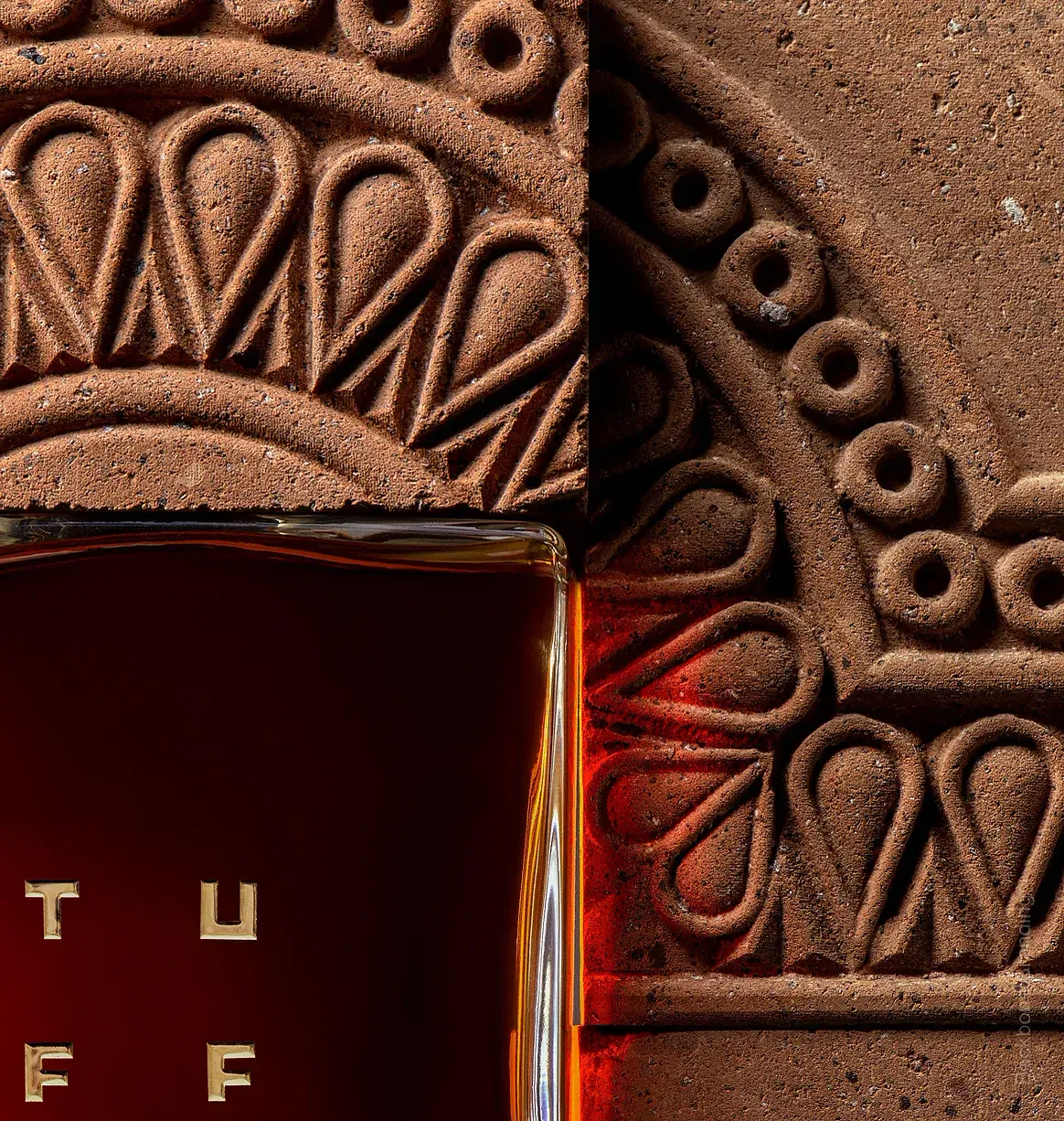
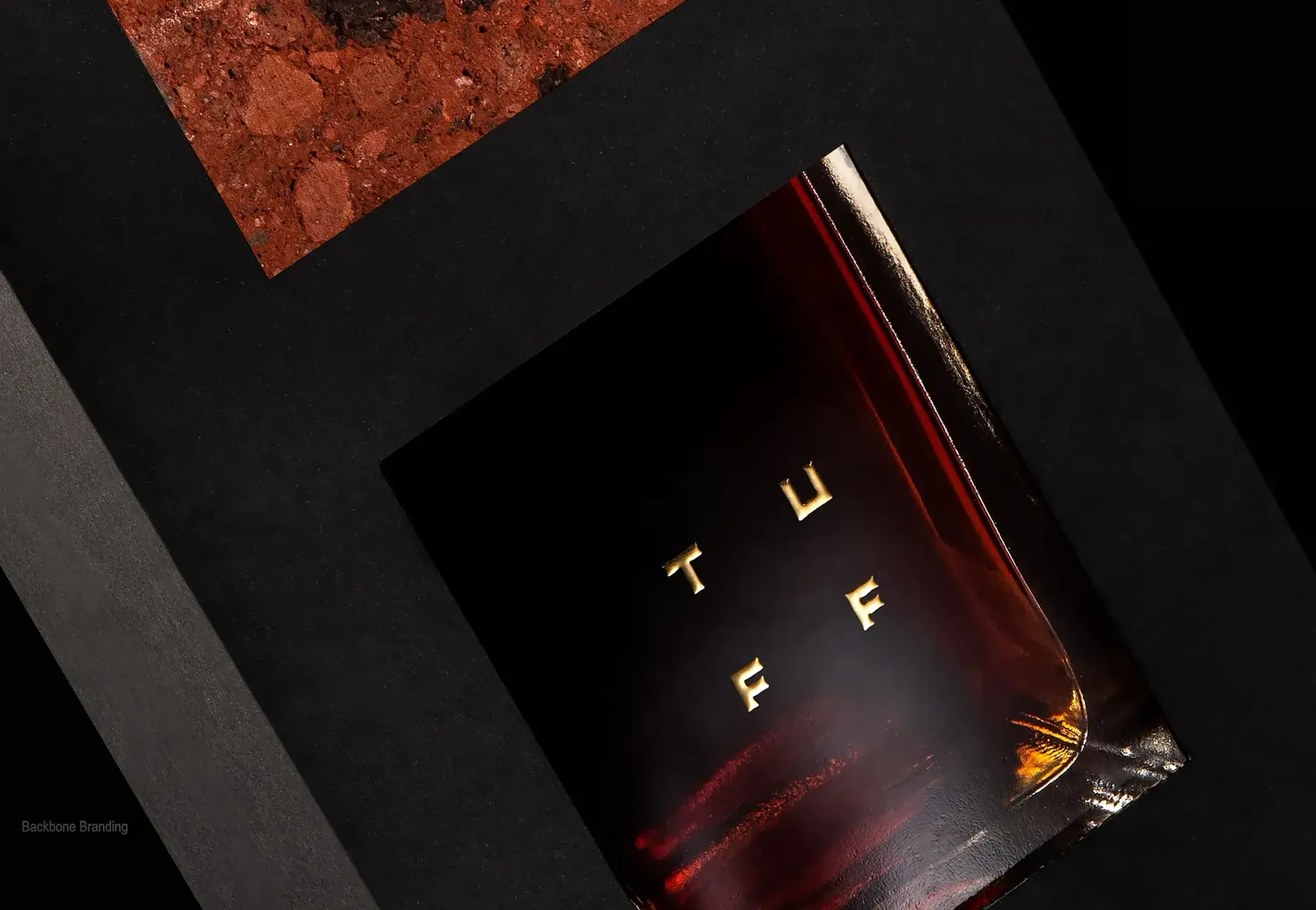
TUFF XO is aged 20 years, in a 700 ml gift box and a 50 ml miniature. TUFF Heritage is aged 30 years, a limited series in a dark blue case. Both are 40% vol, produced by the Proshyan Brandy Factory in Yerevan. On the trade page you can download:
- product sheets in Chinese (PDF) with ingredients, producer and the EAEU declaration number, a starting point for the back label translation;
- bottle and shipping case EAN codes, bottles per case and pallet data;
- print-quality bottle photos, descriptions in four languages and the logo.
Price lists, payment terms and Incoterms come in our commercial proposal. Write to [email protected] or add WeChat ashotgasparyan, and tell us your city, sales channels and the brands you work with.
Questions
Does Armenian brandy pay the EU brandy anti-dumping duty?
No. The duty covers brandy originating in the EU. Brandy of Armenian origin pays the 10% MFN duty, with origin shown by the certificate of origin.
Must the distillery register with GACC?
Yes. Decree 280 covers overseas manufacturers exporting food to China. Alcoholic beverages are not on the official recommendation list, so the distillery applies itself or through an agent, and registration lasts 5 years.
Does imported brandy need a shelf life on the label?
Under GB 2757-2012, drinks of 10% vol or more may omit it. The production date, alcohol content and the health warning are still required.
Does TUFF have materials in Chinese?
Yes. The trade page has Chinese PDF product sheets, EAN codes, photos and descriptions. For anything else, write to [email protected] or WeChat ashotgasparyan.