A limited-series label is not a provenance record. Age and rarity may draw the eye, but they cannot tell you what gives a bottle lasting meaning. For Armenian brandy for collectors, the stronger questions are about documented identity, making, and the materials held in the hand.
It’s reasonable to look for a clear story behind a bottle. Yet presentation alone is not proof of craftsmanship or future value. A considered assessment begins with what can be traced: the producer, grapes, place of production, ageing, and the bottle’s physical details.
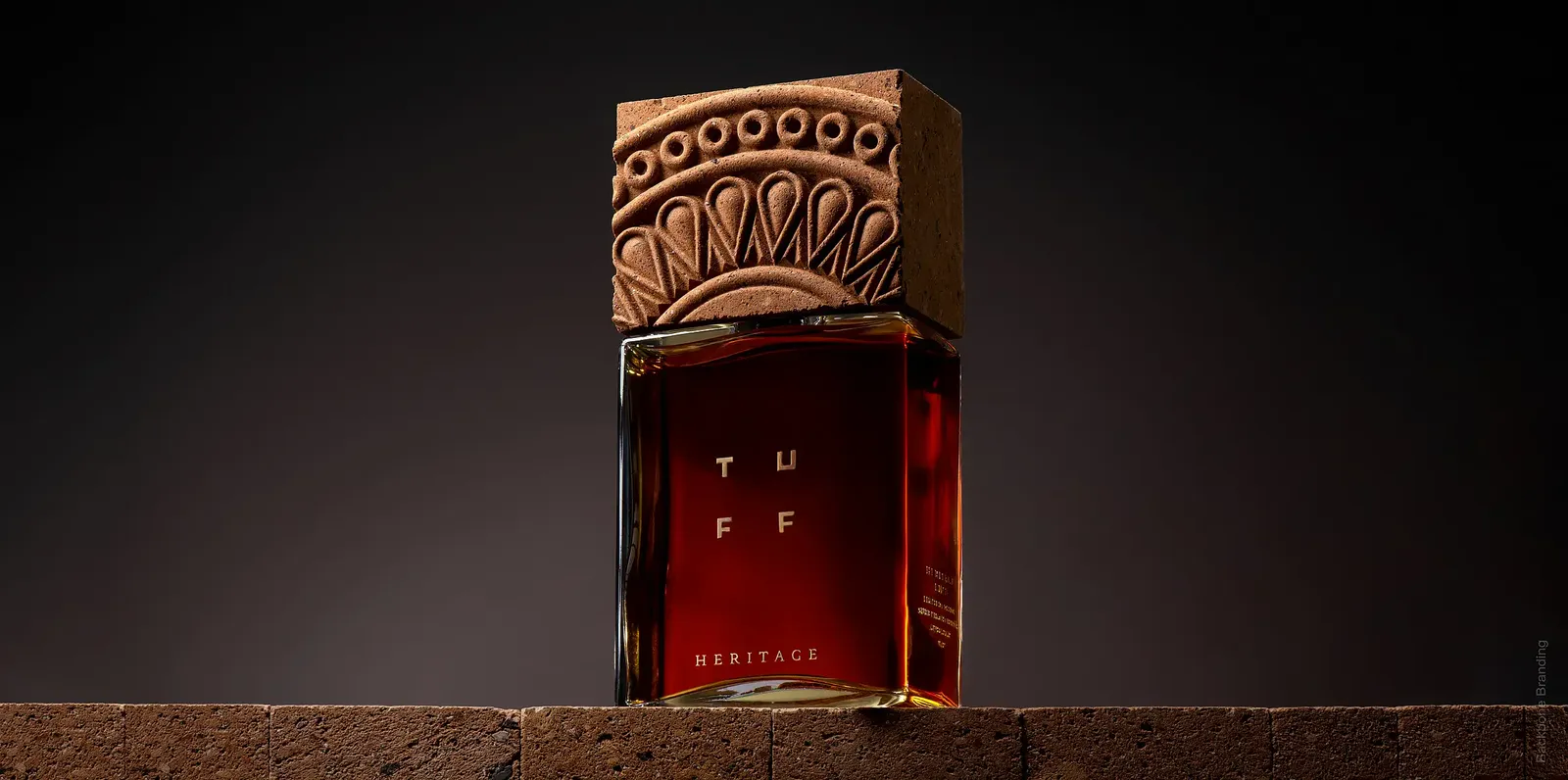
Here, you’ll find a consistent way to assess those elements and decide what belongs in a collection. Grape varieties, oak ageing, and hand-cut stone each offer a different kind of context. TUFF Heritage, a 30-year-old Armenian brandy from the 1994 harvest, provides one specific example. Its Aghtamar and Ani editions are distinguished by carved stone caps inspired by Armenian churches, not by a promise of future return.
Look beyond the label. Consider what the bottle can tell you about its craft and meaning.
Key Takeaways
- Assess Armenian brandy for collectors through documented identity, craft, and personal meaning, not label claims alone.
- Record the producer, stated age, harvest year, edition, and packaging separately. A harvest year is not the same as years aged.
- Compare bottles using consistent criteria, including provenance, material, and what you want your collection to represent.
- Set a clear purpose for your collection, then keep bottle details and available packaging together for future reference.
- Use TUFF Heritage as one case study in how age, harvest, and crafted details give a bottle context, without treating limited-series status as proof of future value.
Table of Contents
- What Makes Armenian Brandy Worth Collecting?
- How to Assess Provenance, Age, and Edition Details
- How to Compare Armenian Brandy Bottles as a Collector
- A Practical Checklist for Building a Brandy Collection
- TUFF Heritage as a Case Study in Armenian Brandy Collecting
What Makes Armenian Brandy Worth Collecting?
For Armenian brandy for collectors, collectibility is not a single number on a label. It is the meeting of documented identity, craft, and personal meaning. A bottle may matter because it connects a collector to a producer, grape variety, or piece of cultural memory. Its place in a collection is a considered choice, not a prediction of what someone might pay for it later.
Provenance is the documented story of a bottle’s identity and origin, from producer and place to the details that distinguish its edition. It gives a collector facts to record and compare. It does not, by itself, prove scarcity or future financial value.
Keep established facts separate from assumptions. A named edition is a useful identifier, but its name alone does not establish how many bottles were made or whether demand will grow. A limited-series description tells you something about how a release is presented. It is not a promise of future value. Collectors can note what is stated, then leave the unknowns unfilled.
Which details give a bottle a clear identity?
Read the bottle as a set of connected details: producer, stated place of production, grape source, ageing statement, harvest year, edition name, and packaging. Each answers a different question. The producer identifies who made it; grape details provide context for the spirit; ageing and harvest details describe time in distinct ways; an edition name distinguishes one presentation or design from another.
Record these details in the same order for each bottle. Consistency makes comparison clearer than adjectives such as “rare” or “exclusive.” If a label names an edition, record that name as fact. Don’t infer production numbers or future demand unless reliable documentation provides them.
What makes Armenian brandy relevant to a collection?
A bottle’s relevance can come from the relationship between its grapes, production, and craft. TUFF Armenian brandies use Mskhali and Kangun grapes, varieties that give collectors specific details to note alongside the producer and stated ageing. Oak ageing offers another point of comparison. Together, these facts help situate a bottle within the wider category of Armenian brandy.
Ask what each detail contributes to the collection, which production facts can be recorded, and whether the bottle’s craft or cultural references hold personal meaning. For broader category context, the Armenian brandy guide offers a useful introduction. Reviewing regional distillation traditions and heritage traditions can also help readers consider the historical context of distinct bottlings.
Age still matters, but it cannot answer every collecting question. It doesn’t identify the producer, explain the harvest, distinguish an edition, or tell you why a bottle belongs beside the others you’ve chosen. A thoughtful collection rests on evidence and intention: clear facts, carefully recorded, and a reason to keep each bottle.
How to Assess Provenance, Age, and Edition Details
Read the label in a steady order, then record what it tells you. This keeps unlike details from blending into one impression. A careful record is more useful than treating an older age or a striking edition name as a verdict.
Clear bottle identity matters to collectors because it lets them distinguish documented facts from assumptions and compare one bottle with another.
How to read a bottle’s origin and stated age
Begin with the producer and place of production. Then note the grape source, stated ageing, and any harvest year shown. Keep each field separate in your records. If a detail isn’t stated, leave it blank rather than infer it from the bottle’s design or name.
- Producer and place: Record the maker and the stated production location.
- Grapes: Note the varieties and region when provided.
- Ageing statement: Copy the stated number of years and, if specified, the type of oak.
- Harvest year: Record the year separately from the ageing statement.
- Edition and packaging: Preserve the exact edition name and describe the case or other packaging.
A harvest year identifies the year associated with the grapes or spirit’s harvest. Years aged describes the stated maturation period. They answer different questions. TUFF Heritage, for example, is 30 years old and from the 1994 harvest. Keep both details in your notes, but don’t use one as a substitute for the other. Neither figure alone establishes rarity, quality, or future value.
Age terms can help orient a comparison, but their meaning depends on the category and the label. For a brief explanation of VS, VSOP, and XO, consult the guide to age-label terms. Treat a term as one piece of identification, not a complete account of a bottle’s provenance.
What edition and harvest details can tell you
An edition name may point to a design reference or a particular presentation. It doesn’t automatically mean a separate product, a specific production quantity, or stronger future demand. Record the name exactly, then note the information attached to that edition. Keep interpretation distinct from fact.
The Aghtamar and Ani names refer to editions of Heritage, not separate products. The Aghtamar cap is carved after a 10th-century relief of the Church of the Holy Cross on Aghtamar Island. The Ani cap is carved after the Church of St. Gregory in Ani, dated 1215. These references give each edition cultural and design context; they don’t establish scarcity.
Packaging belongs in the record, too. Note the case and keep it with the bottle where possible. The full bottle details provide a specific example of how age, harvest, edition, and presentation can be recorded together.
How to Compare Armenian Brandy Bottles as a Collector
A useful comparison starts with the same questions for every bottle. Record what is stated, then consider how those facts serve your collection. One collector may focus on regional heritage; another may value oak ageing, stonework, or design. There is no single measure that answers every collector’s purpose.
Documented collectibility rests on traceable identity and meaningful craft; speculative resale expectations rest on assumptions about future demand. Keep those ideas separate. A limited-series label may describe a release, but it doesn’t guarantee lasting desirability. A continuing range may still matter when its origin, production details, or design fit a clear collecting purpose.
Limited series or established range: what matters to your collection?
A limited series and an established range offer different kinds of context. A limited-series description identifies how a release is presented. A continuing range can provide a point of comparison across bottles. Neither label, by itself, tells you which bottle is more significant. Compare the documented details and ask what you want the collection to preserve. The guide to limited-edition Armenian brandy offers broader context for this distinction.
Comparison pointWhat to recordQuestion for your collectionProvenanceProducer, production place, grape sourceDoes regional heritage matter to the story you’re building?Age statementStated years of ageing, separately from harvest yearAre you gathering a particular ageing profile or a range of expressions?Edition contextEdition name and the reference behind itDoes the reference carry cultural or personal meaning?Material and designBottle, closure, case, and named design workDo craft and physical materials matter as much as the spirit’s origin?Collector’s purposeThe reason you would keep the bottleDoes it contribute something distinct to your collection?
Origin, material, and design as separate comparison points
Origin describes the spirit’s production context. Design describes the object that holds and presents it. Don’t let one stand in for the other. As one example, TUFF bottles use Mskhali and Kangun grapes from the Ararat Valley, and each has a hand-cut Armenian volcanic tuff stone cap. No two caps are alike; each can be kept as a desk object or pen holder. These details describe material and craft, not future value.
Packaging can be documented on its own terms. Backbone Branding’s packaging received a Red Dot Award in 2024 and Pentawards 2024 Silver and Bronze. Record these distinctions as design context, separate from age, grape origin, or production facts. To consider a bottle through its materials and presentation, explore Armenian brandy.
A Practical Checklist for Building a Brandy Collection
A collection becomes coherent through choices made before the shelf fills. Start with a theme you genuinely want to follow, then use the same short record for each bottle. This gives Armenian brandy for collectors a clear personal frame, whether the interest is regional history, grape varieties, production eras, or material craft.
Set a collection theme before selecting bottles
A theme need not be broad. You might focus on Armenian origin, compare grape varieties named by producers, follow stated production eras, or look closely at bottles that use distinctive materials. Choose a subject you’ll enjoy learning about, not one based on assumed resale demand. A clear theme helps you see what a new bottle adds and makes later comparisons more coherent.
Before adding a bottle, write one sentence describing why it belongs. Perhaps it adds a producer or grape source not yet represented. Perhaps a design reference connects to a place or family history. If you can’t name its contribution, pause. The collection doesn’t need to grow quickly.
Keep a simple record for each bottle
Use a notebook or digital record, but keep the fields consistent. Copy label details as written, and mark your own observations separately. This simple habit makes it easier to revisit the collection without confusing a stated fact with a memory or interpretation.
- Collection purpose: Note the theme and why this bottle fits it.
- Producer and origin: Record the producer, place of production, and grape source when stated.
- Age and harvest: Enter the stated age and harvest year in separate fields.
- Edition and design: Copy the edition name, relevant design reference, and packaging description.
- Acquisition: Record the date you acquired the bottle and keep available product descriptions or purchase documentation with your notes.
- Personal relevance: Add a brief note about what drew you to it, such as a regional connection, material detail, or family association.
Keep available packaging together with the bottle, and retain any accompanying product descriptions as part of your own record. These notes help preserve the story you’ve assembled, but they don’t guarantee authenticity, condition, or future value. Keep observations factual: write “dark case” rather than assuming what the case says about rarity.
This checklist concerns identity and collection purpose, not bottle care. For guidance on how brandy lasts and storage, see the brandy storage guide.
If Armenian origin or hand-worked material belongs in your collection’s theme, explore TUFF Armenian brandy and consider which documented details speak to your purpose.
TUFF Heritage as a Case Study in Armenian Brandy Collecting
A bottle can be studied without treating it as a model every collection must follow. TUFF Heritage offers one specific case: its identity can be considered through its stated age, harvest, edition, and materials. These facts help a collector decide whether it belongs in a collection shaped by Armenian origin, craft, or cultural reference. They do not promise scarcity or future appreciation.
TUFF Heritage is 30 years old, 40% ABV, and presented in a 700 ml bottle in a dark case. It is from the 1994 harvest. The harvest year and stated age describe different details, so a collector’s record should keep them in separate fields. The series has two editions, Aghtamar and Ani. They are editions of Heritage, not separate products.
What the bottle’s materials and references contribute
Each bottle is closed with a cap cut by hand from Armenian volcanic tuff stone. No two caps are alike. The cap can be kept as a desk object or pen holder, giving the material a purpose beyond its role as a closure. This is a specific element of the bottle’s physical character, distinct from its age statement or harvest record.
The edition references are also concrete. The Aghtamar cap is carved after a 10th-century relief of the Church of the Holy Cross on Aghtamar Island. The Ani cap is carved after the Church of St. Gregory in Ani, dated 1215. A collector drawn to Armenian cultural references can record these details as part of the edition’s identity, without reading them as proof of rarity.
When a specific bottle fits a collector’s purpose
Return to the theme you set for your collection. If you’re gathering Armenian brandies with documented harvests, the 1994 harvest is a clear point to record. If your interest is stated ageing, note that Heritage is 30 years old. If material craft or architectural reference matters to you, compare the hand-cut stone cap and the Aghtamar or Ani edition with the purpose you wrote down.
Those details make the bottle easier to assess on its own terms. The dark case, age, harvest, edition, and stone cap each contribute a different kind of context. None decides the bottle’s place for you. Collector fit depends on personal purpose and the meaning you give these facts, not on a guarantee of future appreciation.
Consider its stated features alongside your collection’s theme, then explore TUFF Armenian brandy at your own pace.
Let Your Collection Reflect What Matters
A collection is a record of attention. Each bottle you choose can mark a place, a craft, or a story you want to keep close. Let that purpose guide the next addition, rather than a label’s promise of rarity or a guess about future value.
TUFF Heritage offers one example to consider: it is 30 years old and made from the 1994 harvest. Its hand-cut Armenian volcanic tuff stone cap is unique to each bottle, while its packaging by Backbone Branding received a Red Dot Award in 2024 and Pentawards 2024 Silver and Bronze. These details can give a collector meaningful points to record, without determining what the bottle must mean to them.
For Armenian brandy for collectors, the most lasting choice may be the one that keeps a personal connection to Armenian place and craft. Take your time. Let the collection grow with intention.
Explore TUFF Armenian brandy and consider which bottle belongs in your collection.
Frequently Asked Questions
Does a limited series automatically make Armenian brandy collectible?
No. A limited-series label describes a release, but it doesn’t establish how many bottles were made, whether the details are documented, or whether collectors will want it later. Treat the wording as one fact to record, not a measure of future demand. A bottle may still suit your collection because of its origin, maker, design, or personal meaning, even without a limited-series label.
What does provenance mean when collecting Armenian brandy?
Provenance is the record that connects a bottle to its identity and origin. For a collector, that can include the producer, place of production, label details, harvest information, and edition. Keep descriptions or purchase records with your notes, and distinguish what a label states from what you’ve inferred. A record helps you explain why a bottle belongs in your collection, but it isn’t by itself a guarantee of authenticity or condition.
Can brandy continue ageing after it has been bottled?
No. Brandy’s ageing in oak ends before bottling. A bottle kept for several more years doesn’t gain additional years of oak maturation simply because time has passed. Separate the stated ageing period from the date you acquired or opened the bottle in your records. This distinction helps prevent a bottle’s time on a shelf from being mistaken for its production age.
What is the difference between a harvest year and years aged?
A harvest year identifies the vintage associated with the grapes or spirit; years aged describes the stated maturation period. They measure different things. In your notes, use separate fields for each, and copy the label’s wording rather than calculating one from the other. This keeps comparisons clear, especially when you’re considering bottles whose labels provide one detail but not the other.
Can a collector build a meaningful collection around Armenian brandy?
Yes. A collection can follow a personal theme, such as Armenian producers, regional grape varieties, or bottle-making materials. Choose a focus you want to learn about, then record how each new bottle contributes to it. The collection doesn’t need to be large or aimed at resale. For Armenian brandy for collectors, meaning can come from a sustained connection to origin, craft, and cultural memory.
Does distinctive packaging matter to brandy collectors?
It can, especially when the design or materials connect to a collector’s chosen theme. Packaging may help distinguish an edition or preserve details that matter to the bottle’s story. Keep available packaging with your records, but assess it separately from the spirit’s producer, origin, and stated ageing. Design can add personal or cultural interest; on its own, it doesn’t establish scarcity or future demand.
Read next: Armenian brandy as a gift: how to choose · Armenian XO Brandy: A Buyer’s Guide to TUFF XO · Best Armenian brandy: how to choose and spot a real one
TUFF XO, 20 years · TUFF Heritage, 30 years · TUFF as a gift